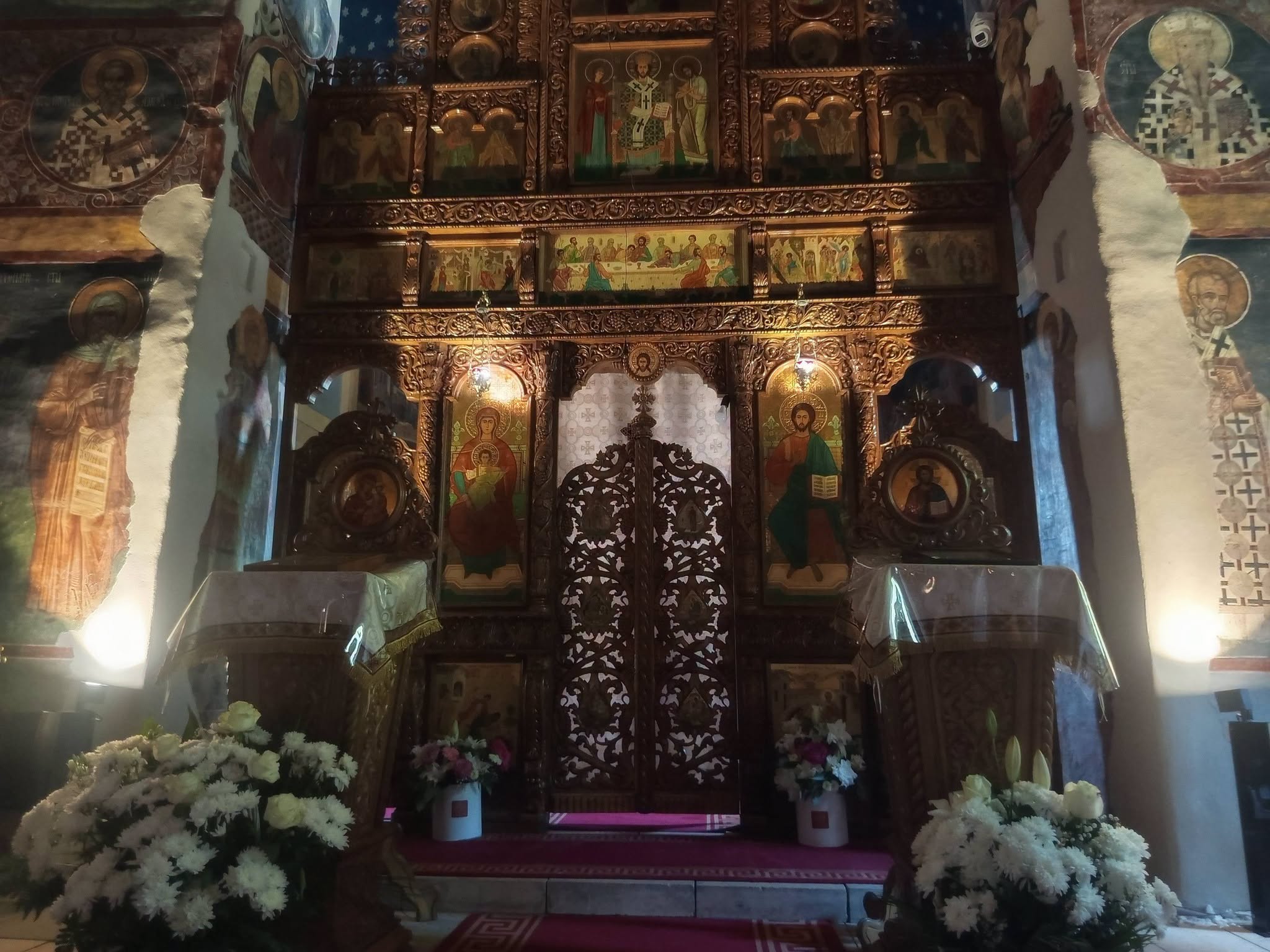
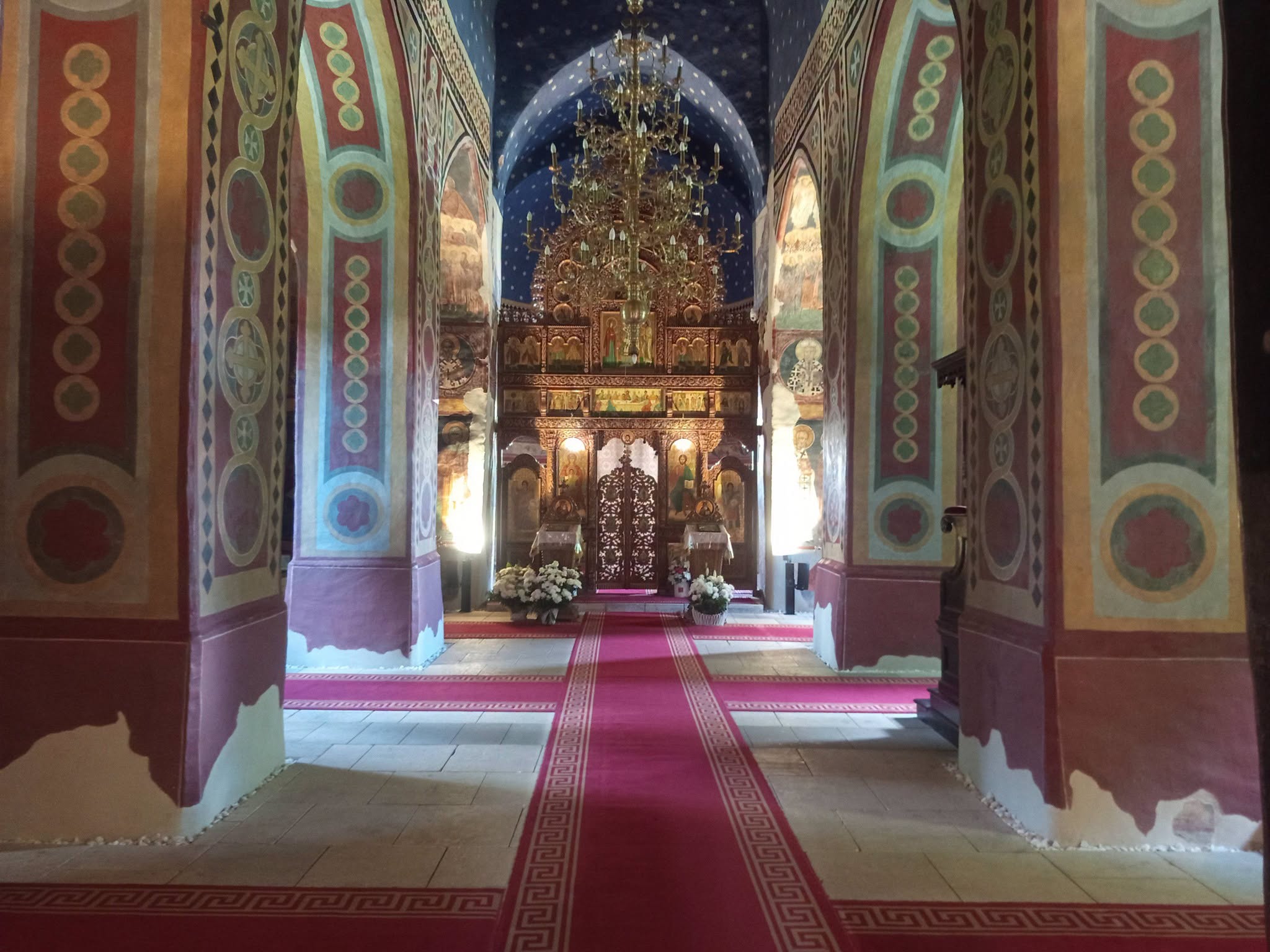
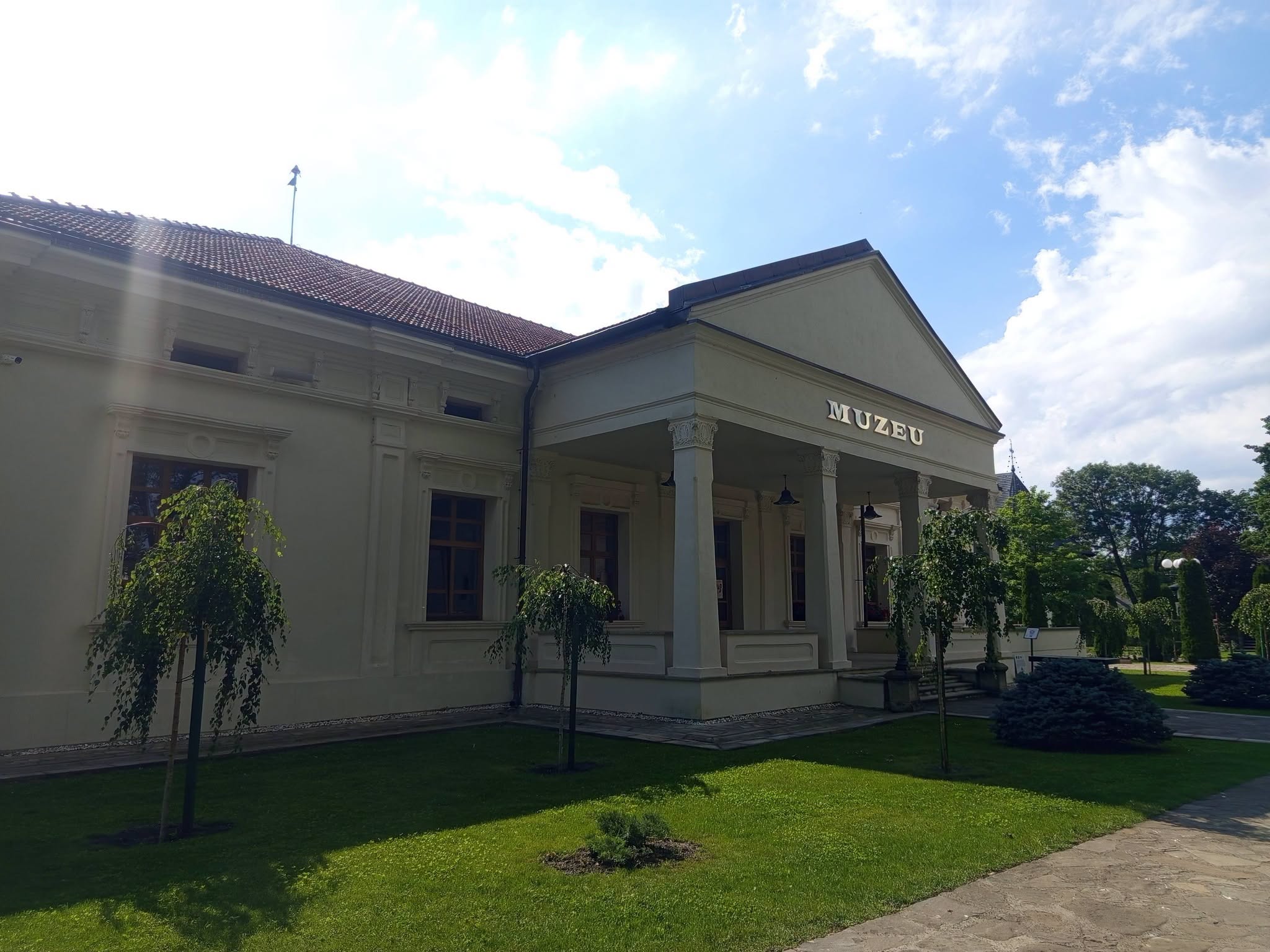
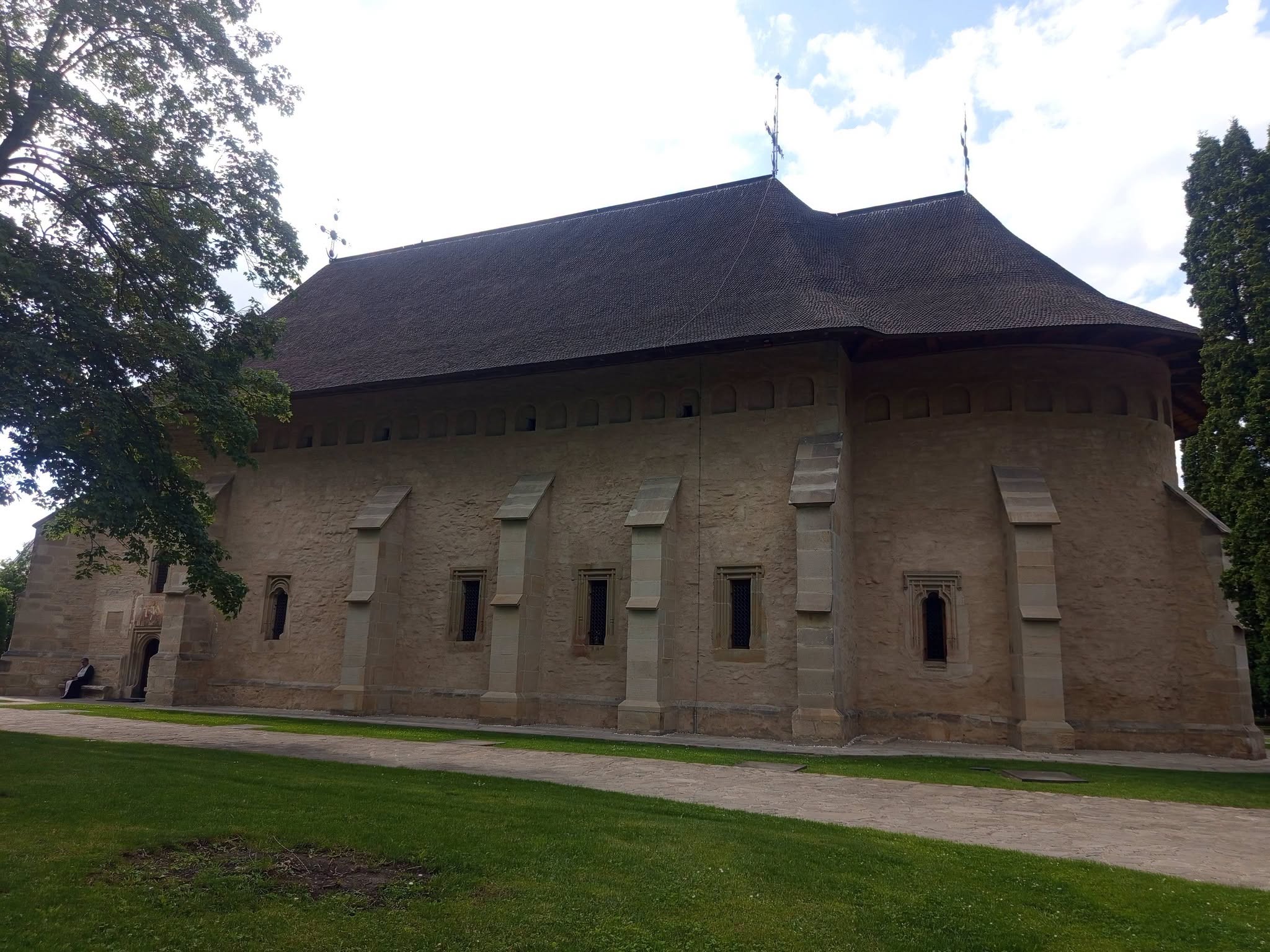
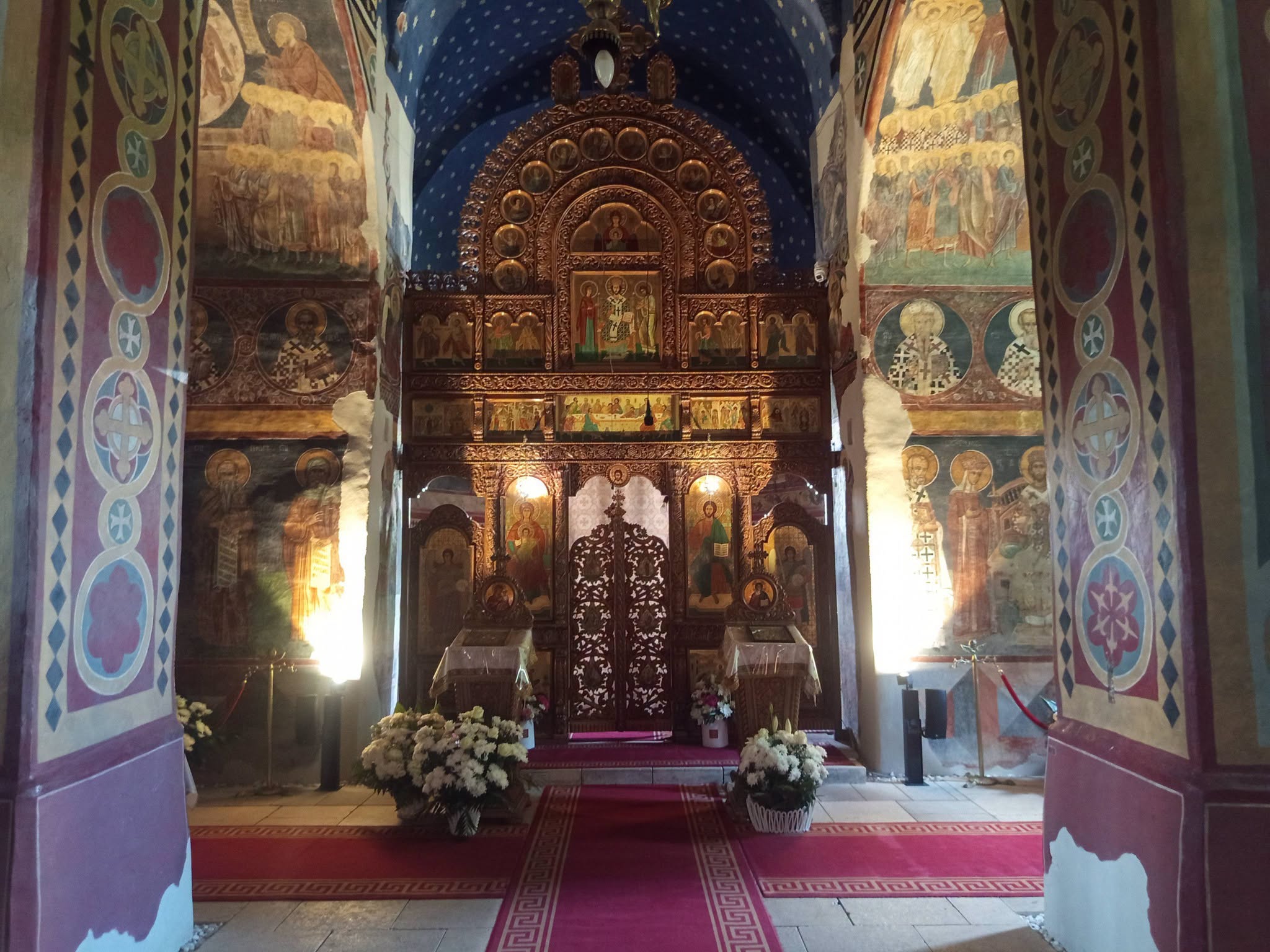
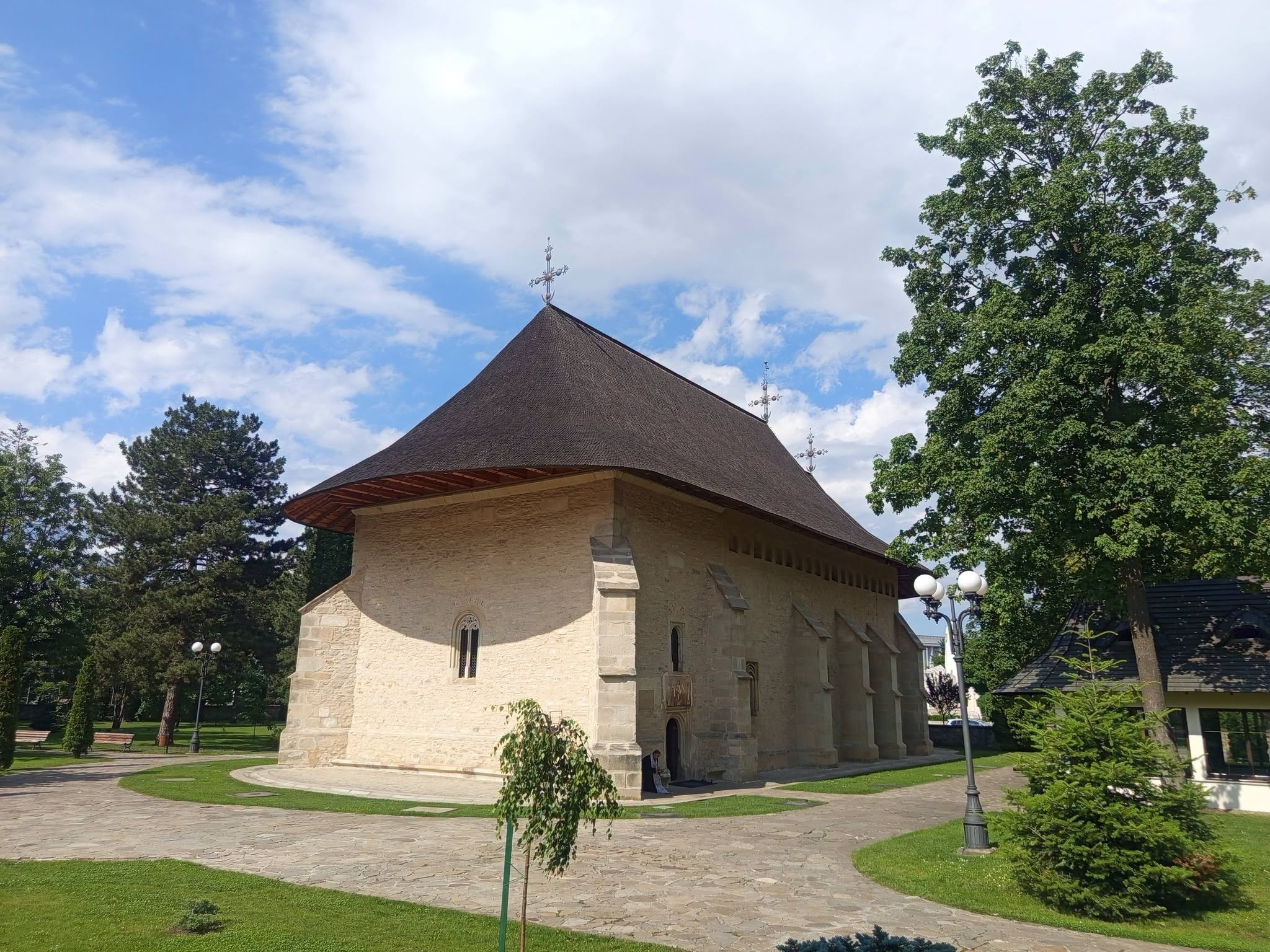
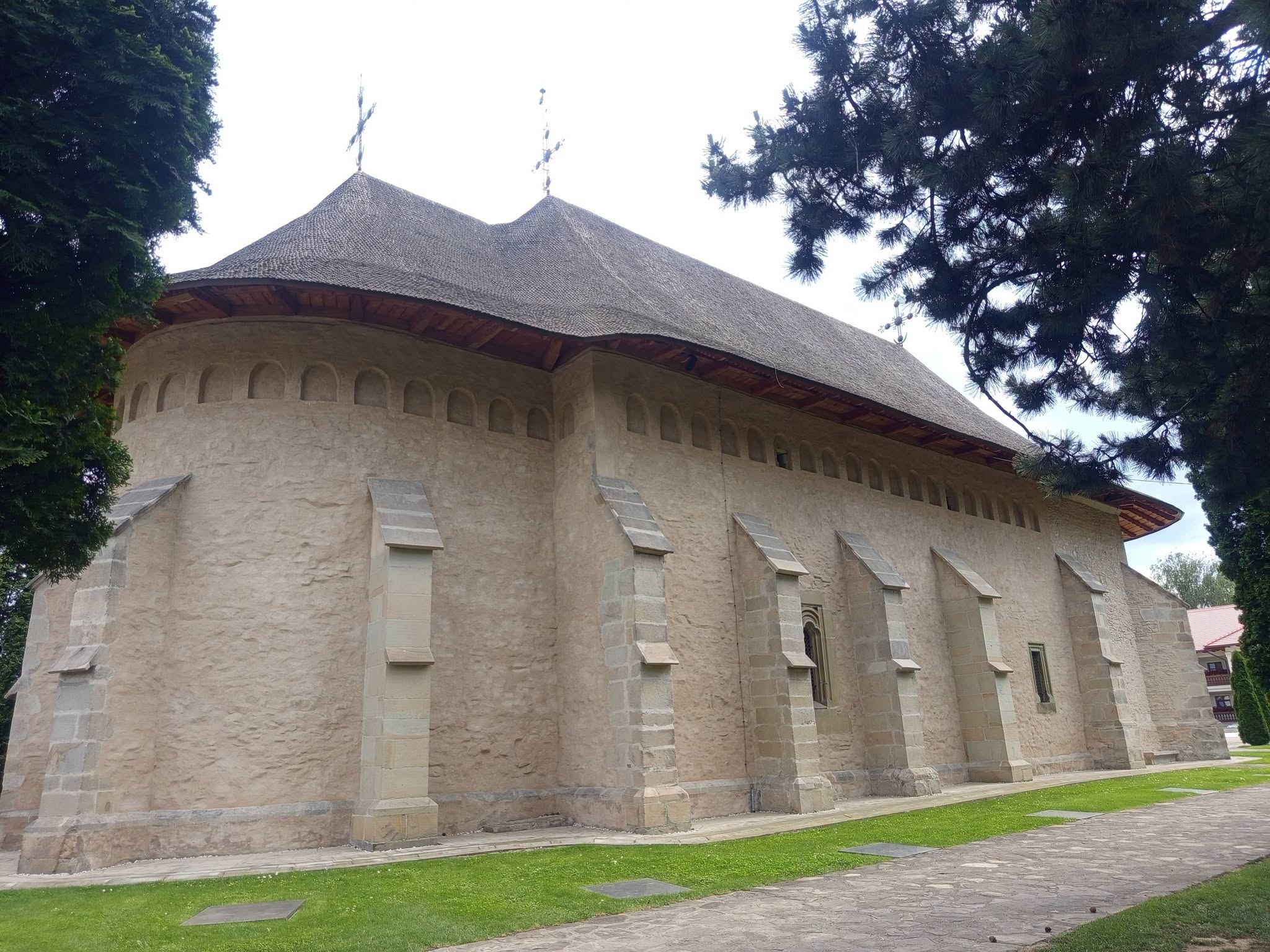
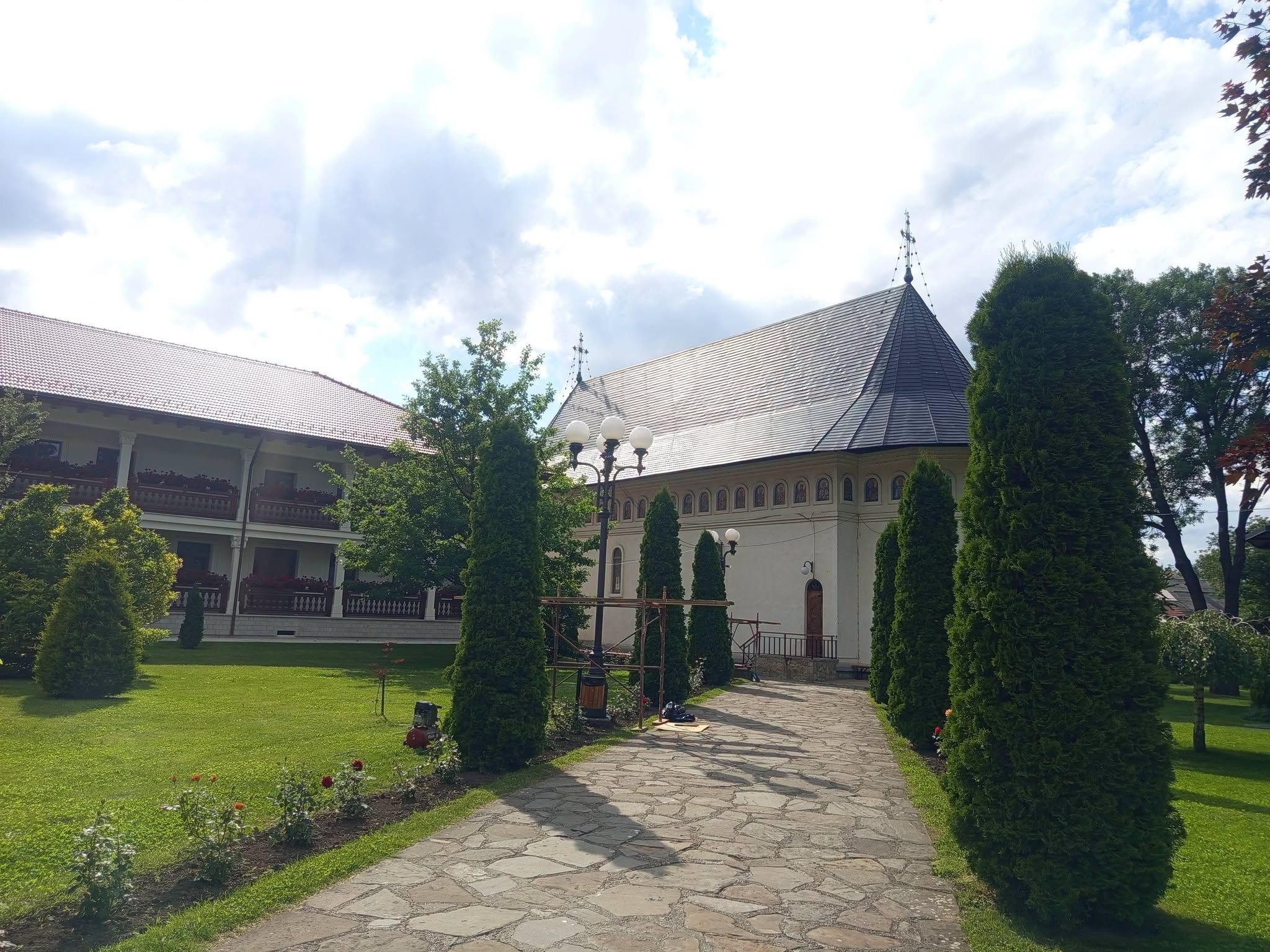
Since it’s Sunday, let me introduce you to a special monastery: Bogdana Monastery in Rădăuți.
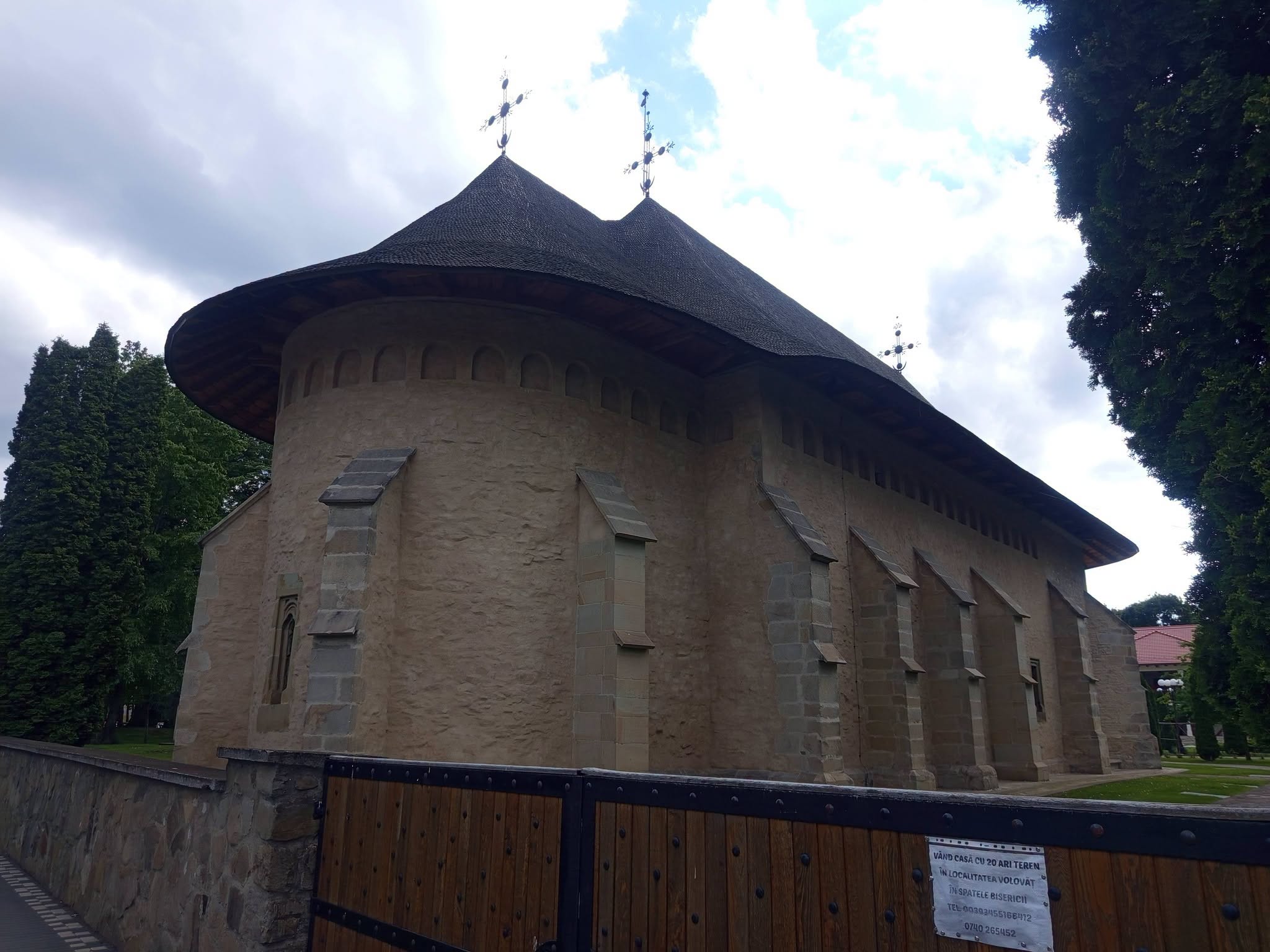
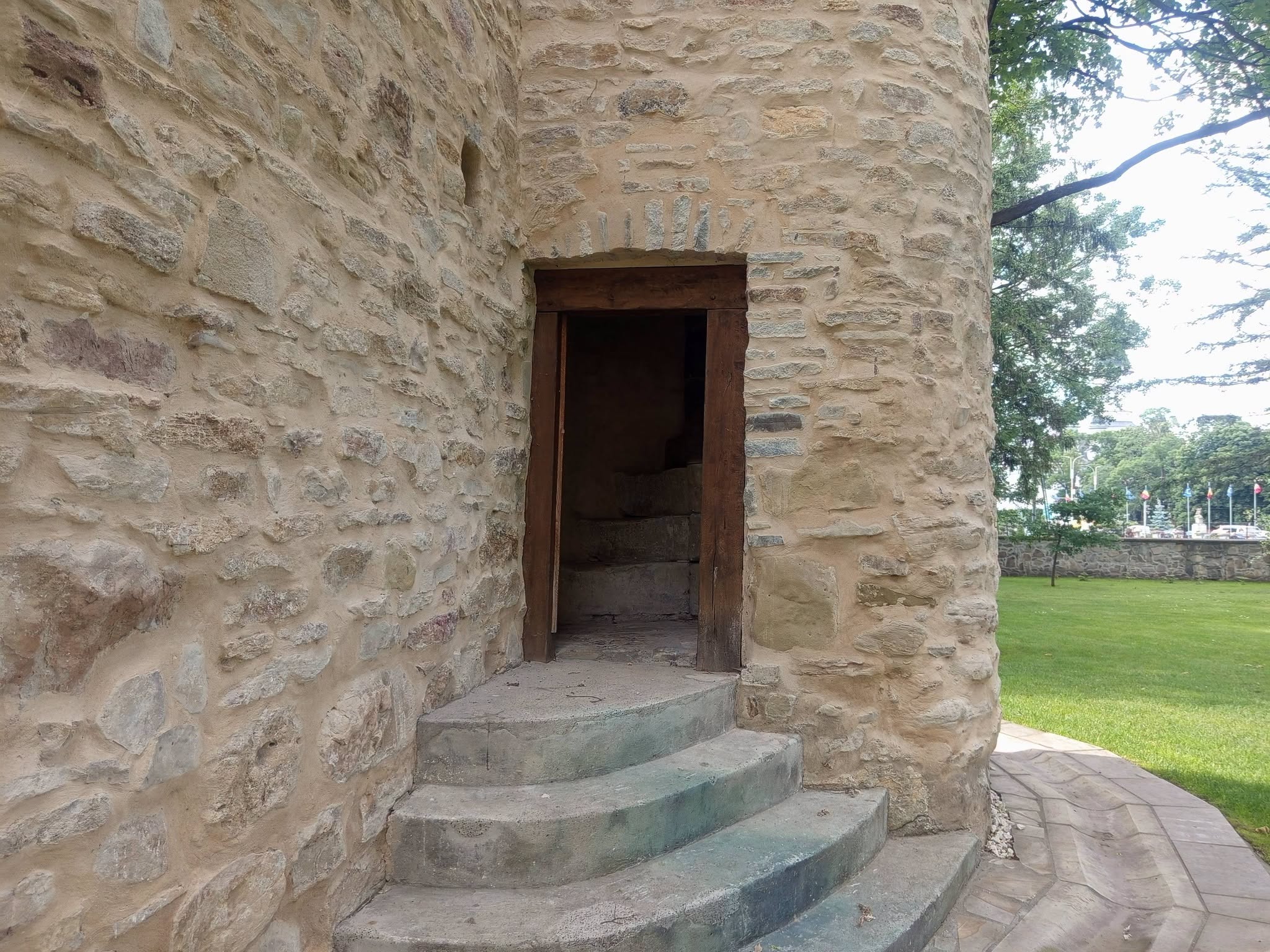
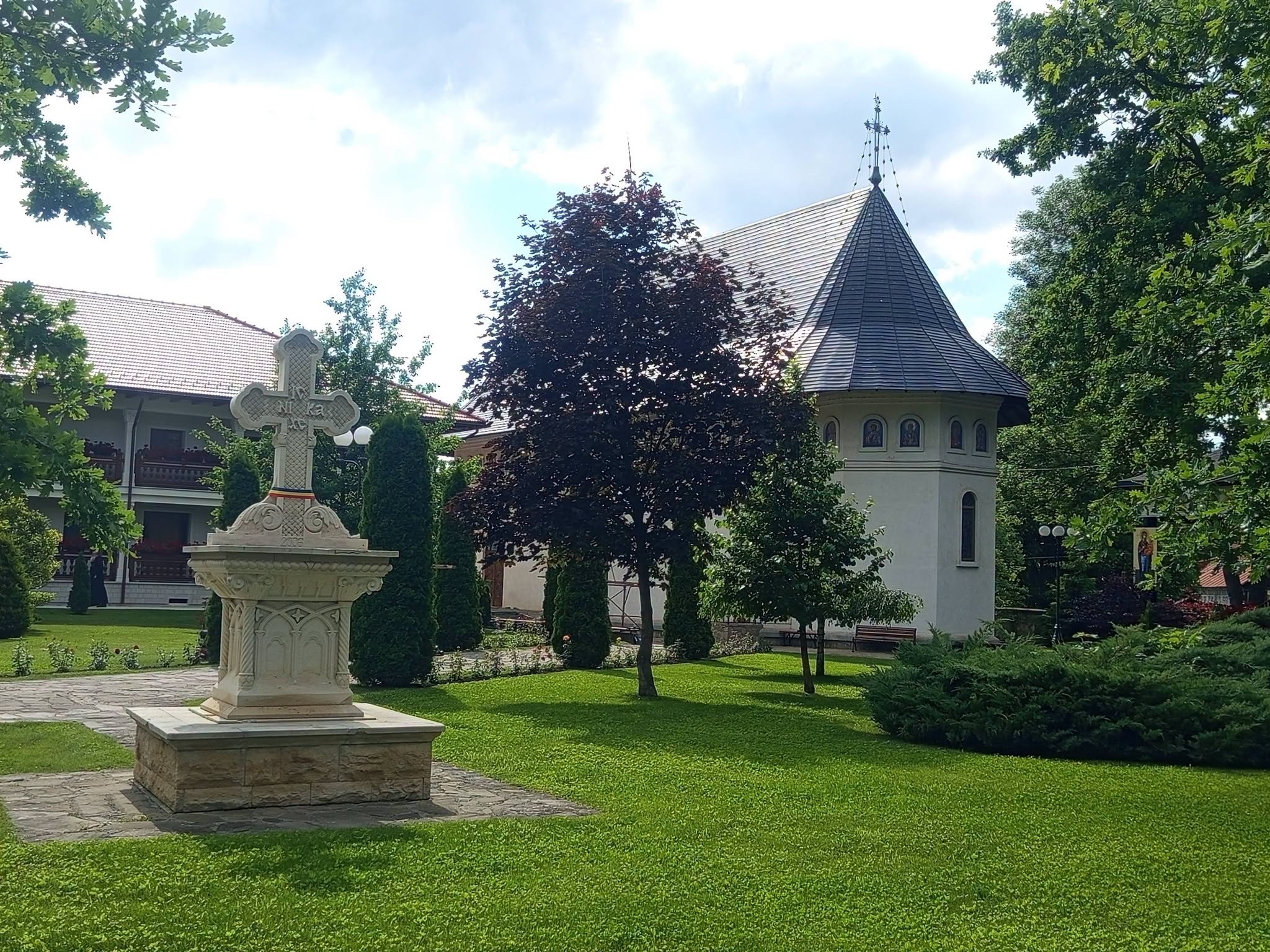
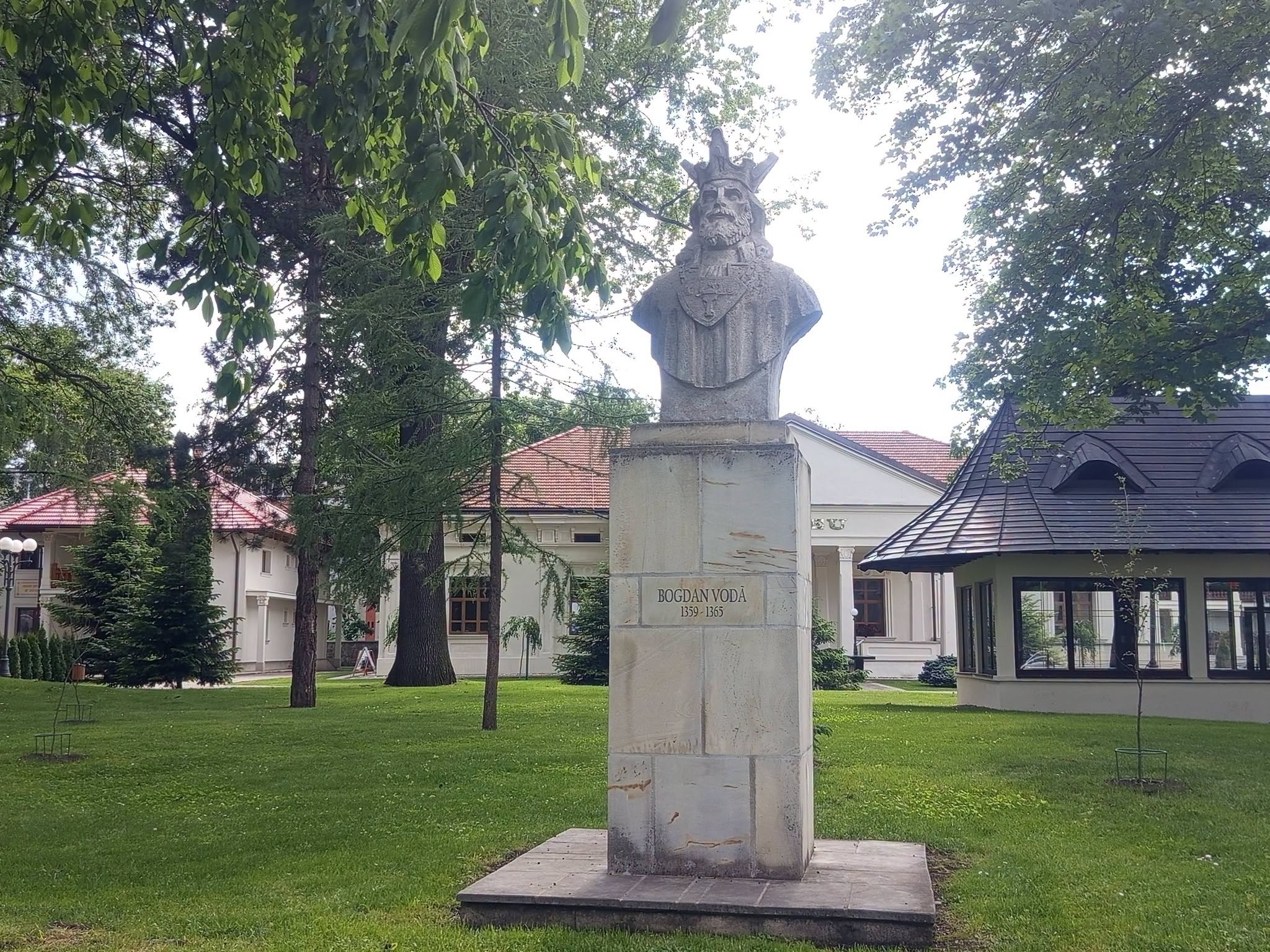
The Church of St. Nicholas (Bogdana) is considered to be the oldest stone church building in Moldova, having been founded by Voivode Bogdan I, the founder of the Moldavian feudal state.
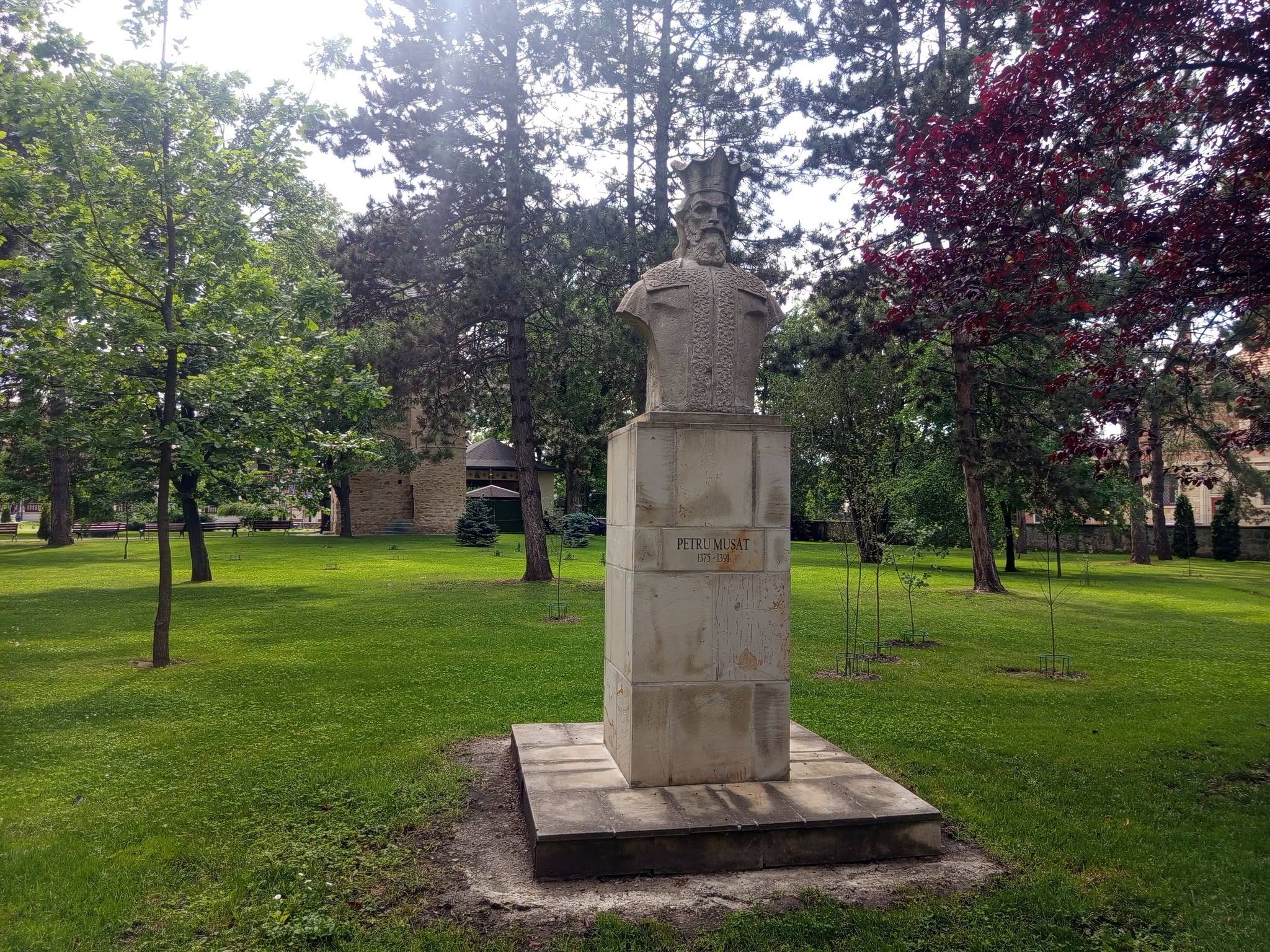
Bogdana Monastery dates back to the period when the Moldavian feudal state was being established. Originally, the site where the church was built was in the middle of centuries-old forests. The Church of St. Nicholas was built by Prince Bogdan I (1359–1365) in the second half of the 14th century as an offering of thanks to God for the victories achieved in the battles fought to lay the foundations of a free and independent state east of the Carpathians, in the Land of Moldavia. He chose this church as the royal burial ground for both himself and his descendants; the rulers of Moldavia were buried here until the time of Alexander the Good, as were relatives of the ruling families.
Over time, the church has played a unique historical, religious, and cultural role. During the reign of Alexander the Good (1400–1432), the church became a bishop’s residence, with the bishops of Rădăuți residing within the monastery grounds.
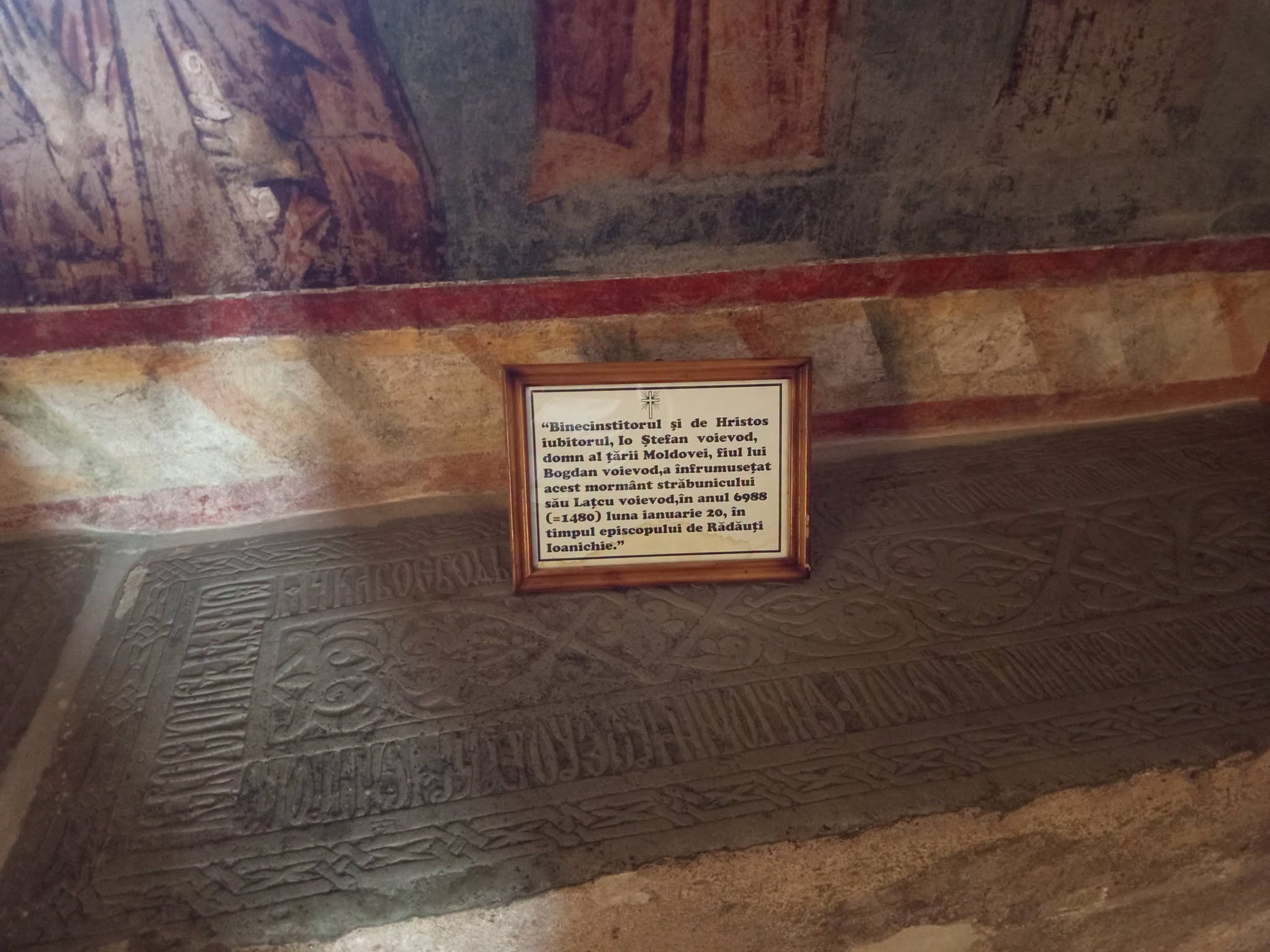
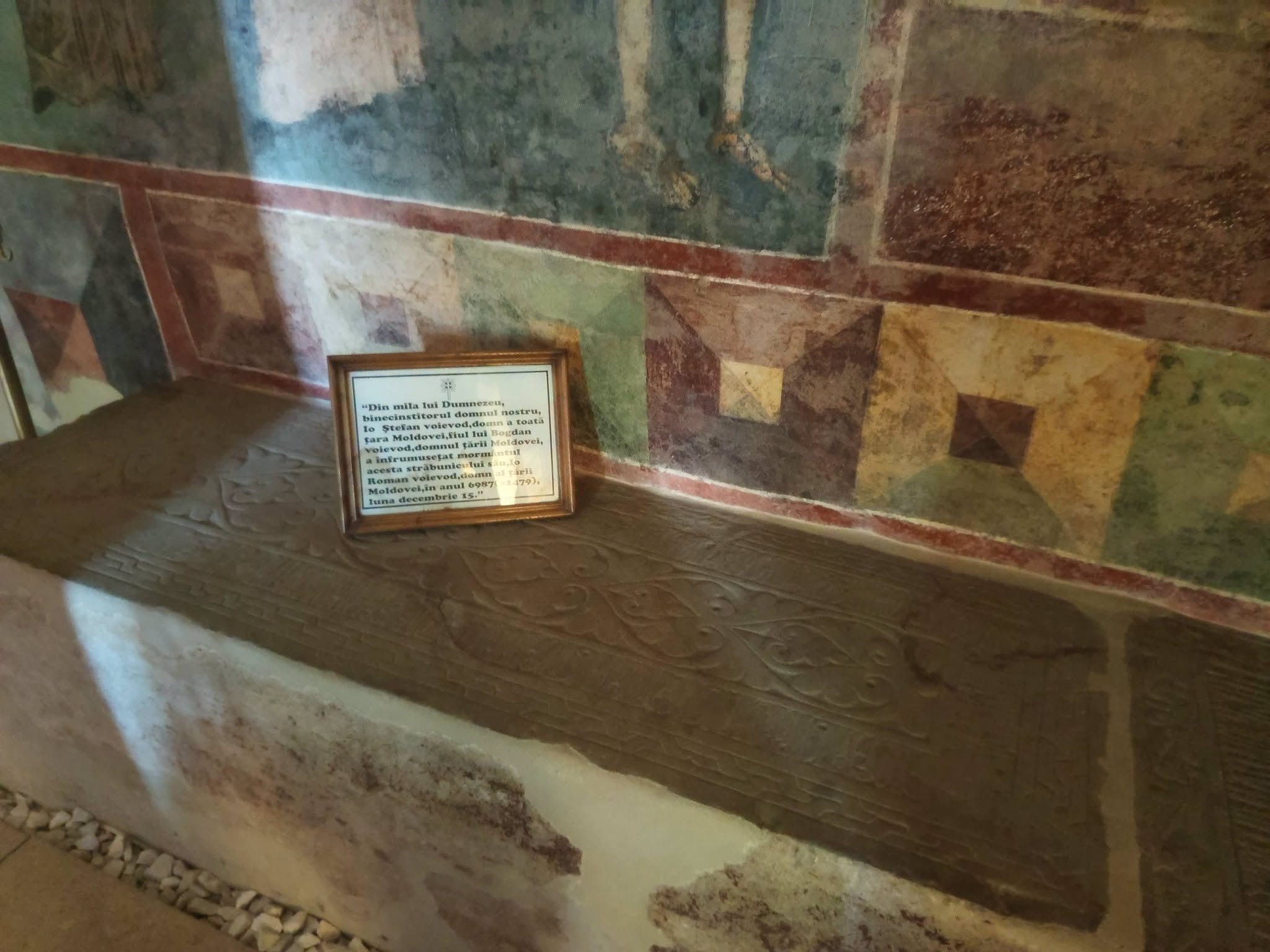
Between 1479 and 1482, Stefan cel Mare had beautifully carved tombstones placed on the graves of six Moldavian rulers; these were decorated with the customary interlaced pattern—which differed from one tombstone to another—and bore inscriptions in Church Slavonic. At the entrance to the church, there is an inscription dating from the time of Bogdan III (1517). He donated 800 zlotys to the monastery, and the bishops of Rădăuți undertook to celebrate a memorial service on the evening of the Sunday of the Myrrh-Bearing Women and a liturgy in the morning for as long as the ruler lived. After his death, a Divine Liturgy was to be celebrated every morning and a memorial service every evening for the salvation of the prince’s soul, as attested by a stone slab placed on December 8, 1517, on the northeast wall of the altar, near the niche that serves as the proskomidia table.
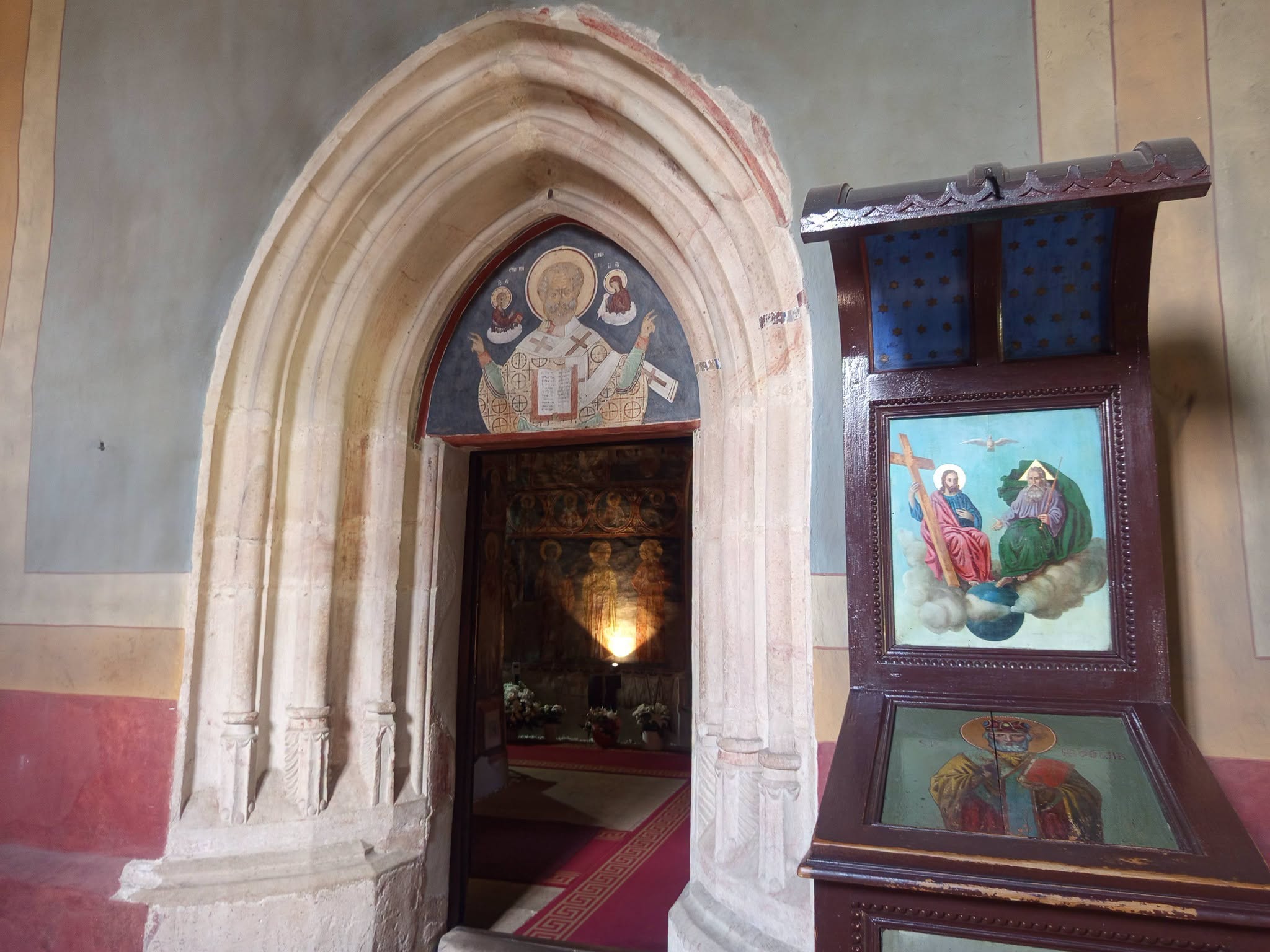
The church was restored during the reign of Alexandru Lăpușneanu, who added a closed portico at the front in 1559 and replaced the frames of some windows with new ones in the Gothic style.
In 1744, Bishop Varlaam (1734–1745) established a printing press here, where he printed several religious books, including the 1745 Book of Hours, which is still part of the monastery’s collection today. However, in 1750, following the election of Bishop Iacob Putneanul as Metropolitan of Moldavia, the printing press was moved to Iași.
In 1775, northern Moldavia was annexed by the Habsburg Empire. In 1781, a bell tower was built, but just one year later, in 1782, the episcopal seat was transferred to Chernivtsi. As a result of these historical developments, in the summer of 1783, Bogdana Monastery was dissolved, St. Nicholas Church was converted into a parish church, some of the cells surrounding the church were demolished, and another part was converted into stables for the horses of the Austrian garrison stationed there. In 1876, a parish house was built on the site.
In 1918, when Bukovina became part of the Kingdom of Romania, the Bogdana Monastery was not reestablished, and the Church of St. Nicholas remained a parish church until the final decades of the 20th century, when it was closed by the communist regime and designated a historic monument.
On December 6, 1992, Bogdana Monastery was reestablished by Archbishop Pimen Zainea of Suceava and Rădăuți with a community of monks, and Archimandrite Teodor Pavlo was installed as abbot. He passed away in 1996, and Archimandrite Iustin Dragomir was elected to succeed him as abbot.
I wish you all a blessed Sunday!
Gesta recommendations:
Pedophile priest arrested in Vaslui County
On Tuesday, the Orthodox Diocese of Huși suspended from service a priest from Vaslui County who was placed in pre-trial detention over the weekend on suspicion of sexual assault, rape of a minor and sexual acts with a minor. The priest of the parish of Parpanița, part of the town of Negrești, is now barred from performing any religious services. According to the police investigation, the priest…
Trump is the best campaign manager: Ukrainians trust their president more since he started attacking Zelensky
We're getting close to the point where, if a head of state or government wants to win the next election, they should pay Donald Trump to publicly badmouth them. According to a survey conducted by the Kyiv International Institute of Sociology (KIIS) between October 8 and 16, 54 percent of Ukrainians trust Volodymyr Zelensky, while 41 percent do not.

Reuters: Iran is deliberately dragging out negotiations until the midterm elections
Iran is deliberately prolonging negotiations with the United States in order to politically weaken Donald Trump ahead of the November 3 midterm elections, G4Media reported, citing Reuters, which in turn cited three senior Iranian officials and an additional Iranian source. “The clerical leadership is determined not to give Trump a political victory,” the news agency quoted one of the anonymous…

Famine could strike Afghanistan this winter
About 19.2 million Afghans, more than a third of the country's population, are threatened by an acute food supply crisis, the UN Office for the Coordination of Humanitarian Affairs (OCHA) warned on Tuesday. "During the winter period from November to April, the number of people facing acute food insecurity is expected to reach 19.2 million," said Olga Cherevko, OCHA's spokesperson for Afghanistan,…

East Libya approves disputed Turkish maritime agreement, Athens and Nicosia outraged
On Tuesday, the parliament of eastern Libya approved the maritime boundary agreement that Turkey signed in 2019 with the Tripoli-based Government of National Accord, then internationally recognized. This retroactively grants the blessing of the eastern part of the country, controlled by General Khalifa Haftar, to a treaty that Greece, Cyprus and Egypt have considered unlawful from the outset.