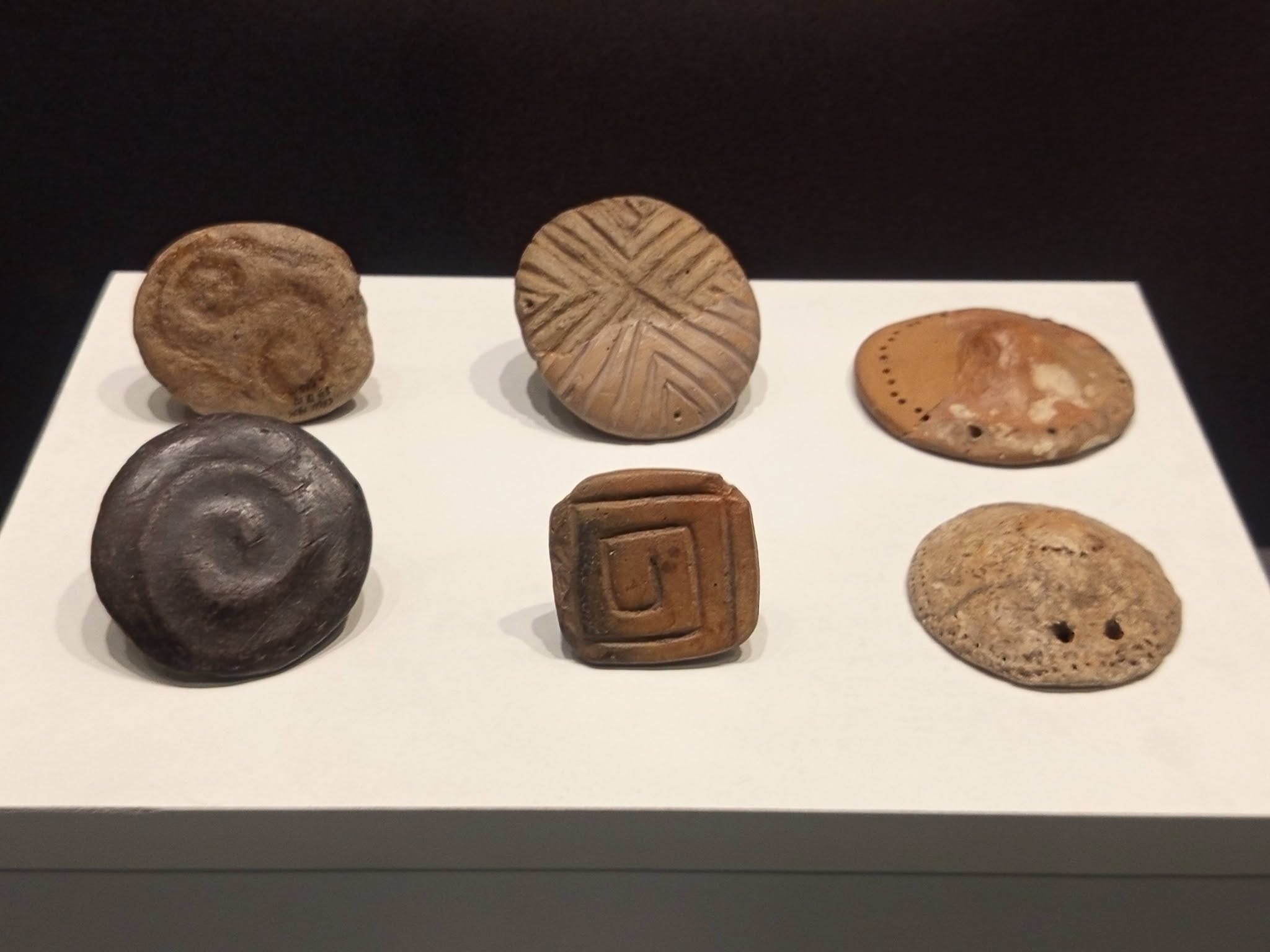
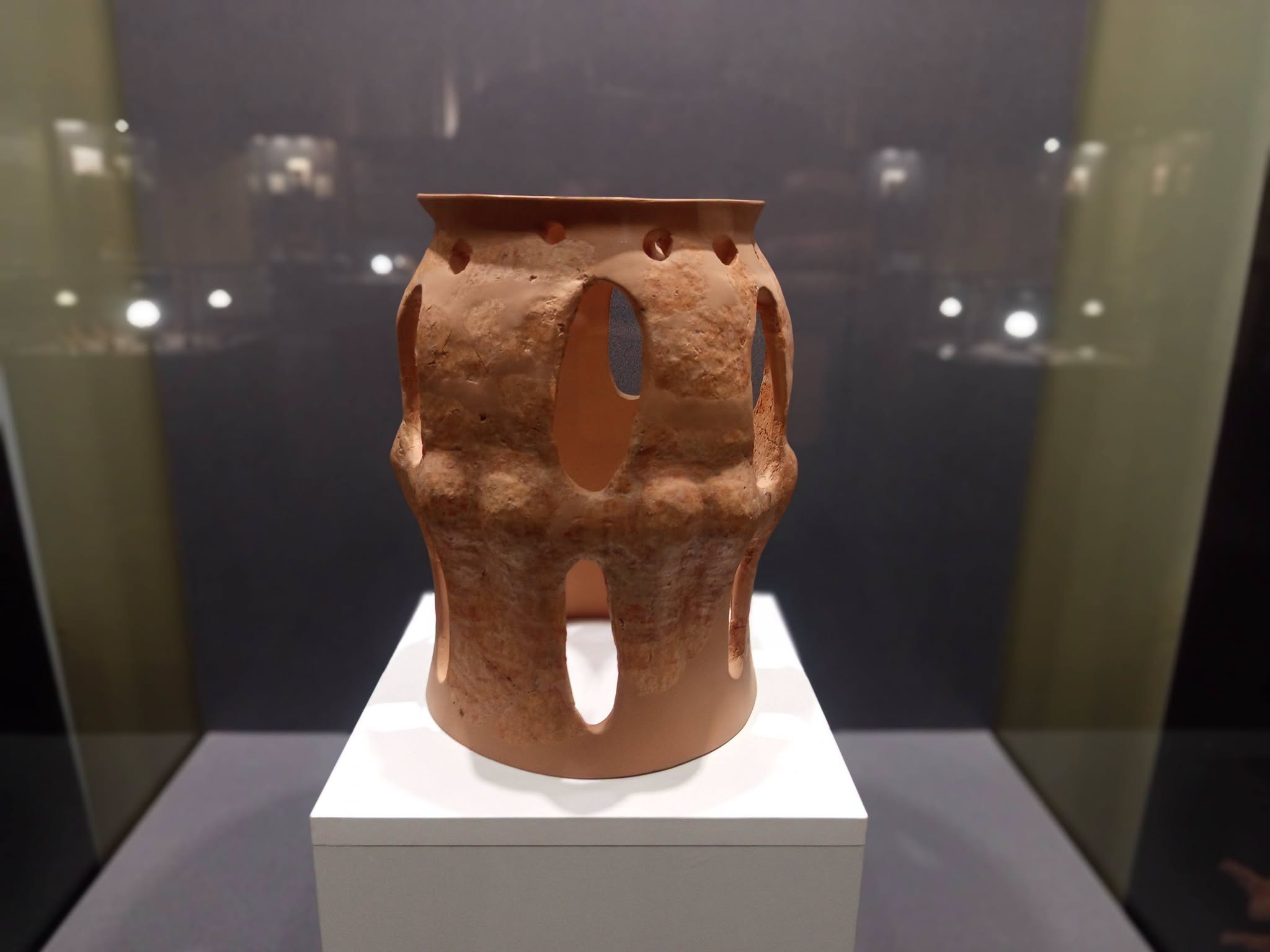
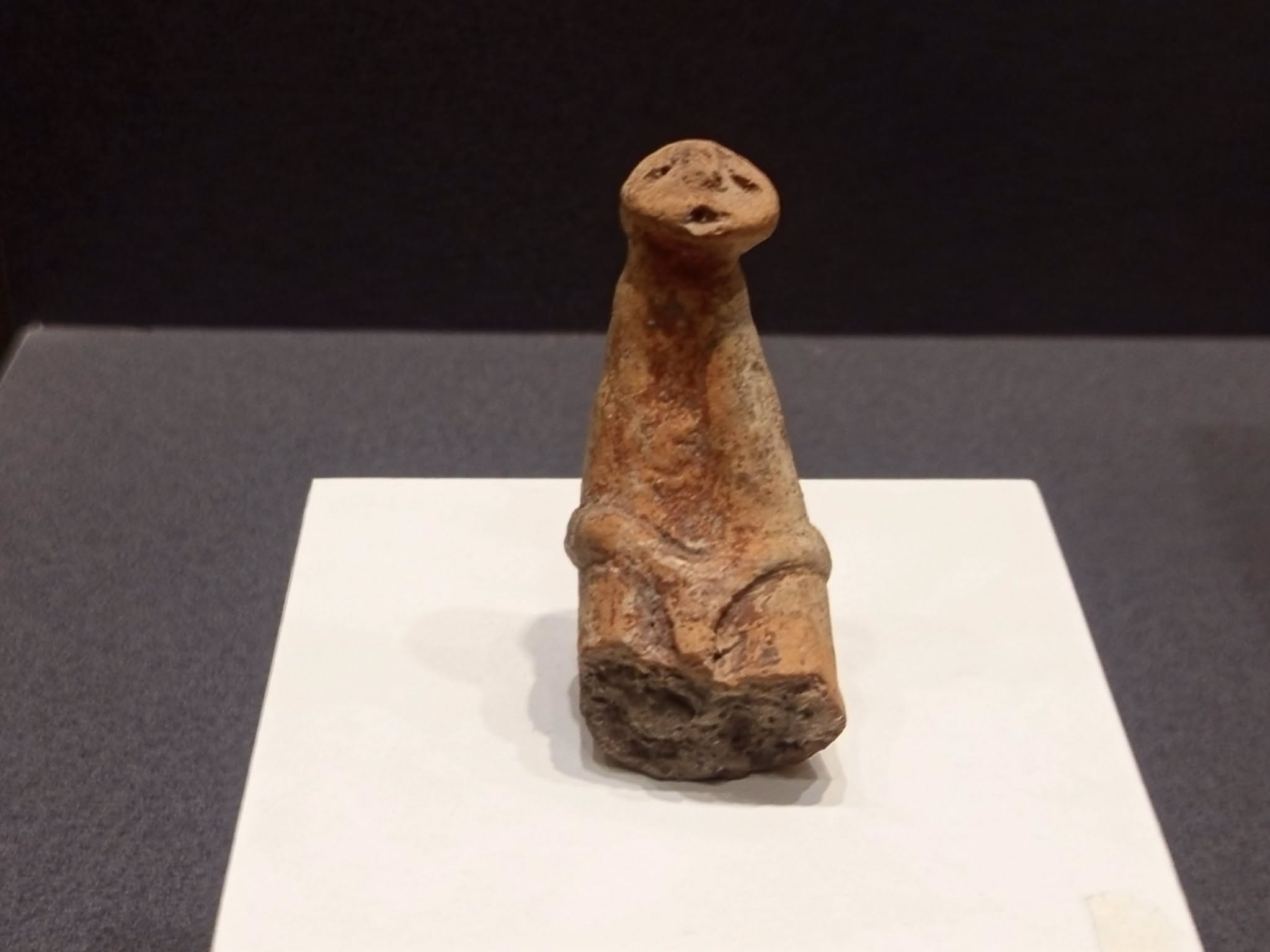
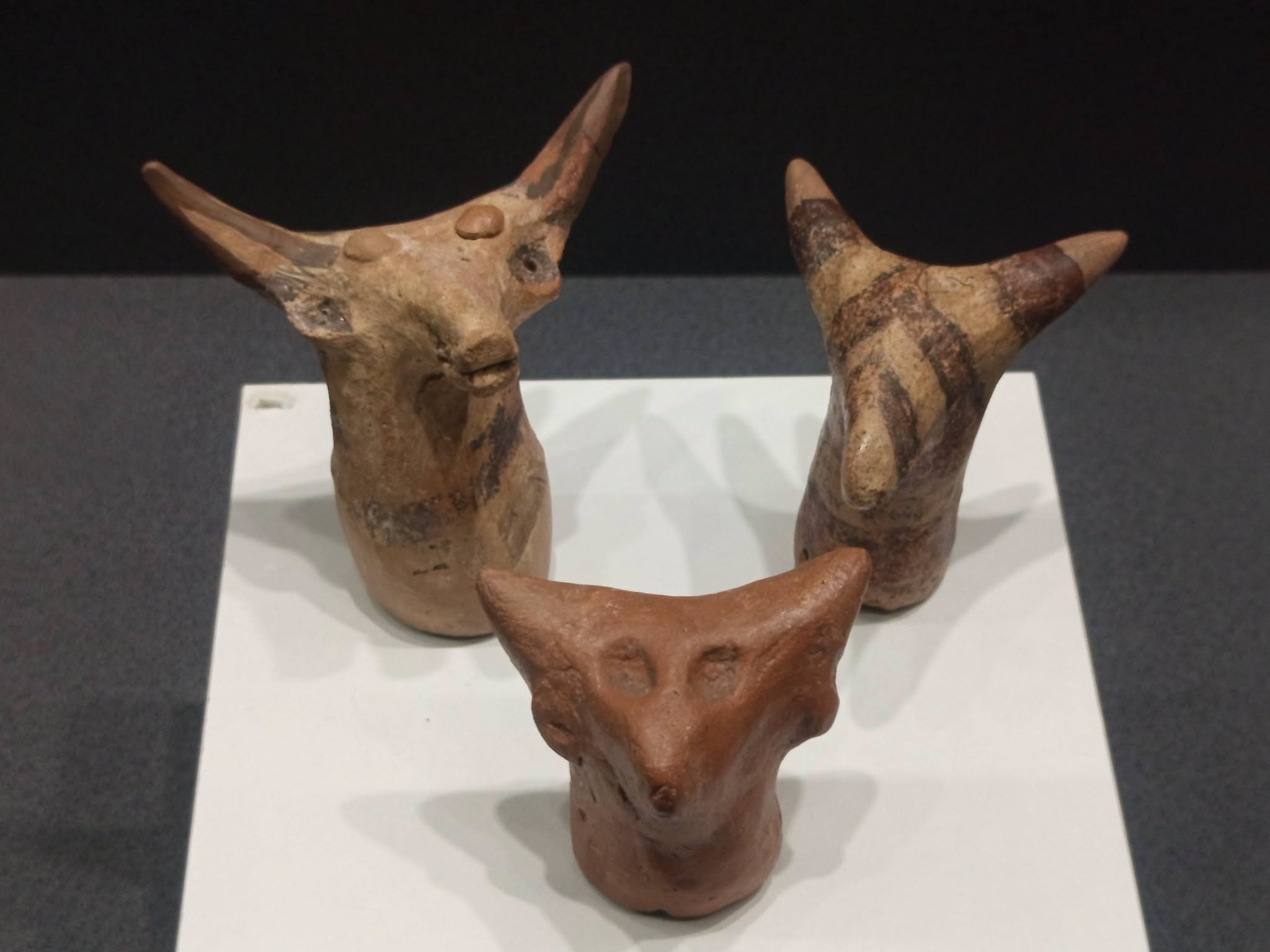
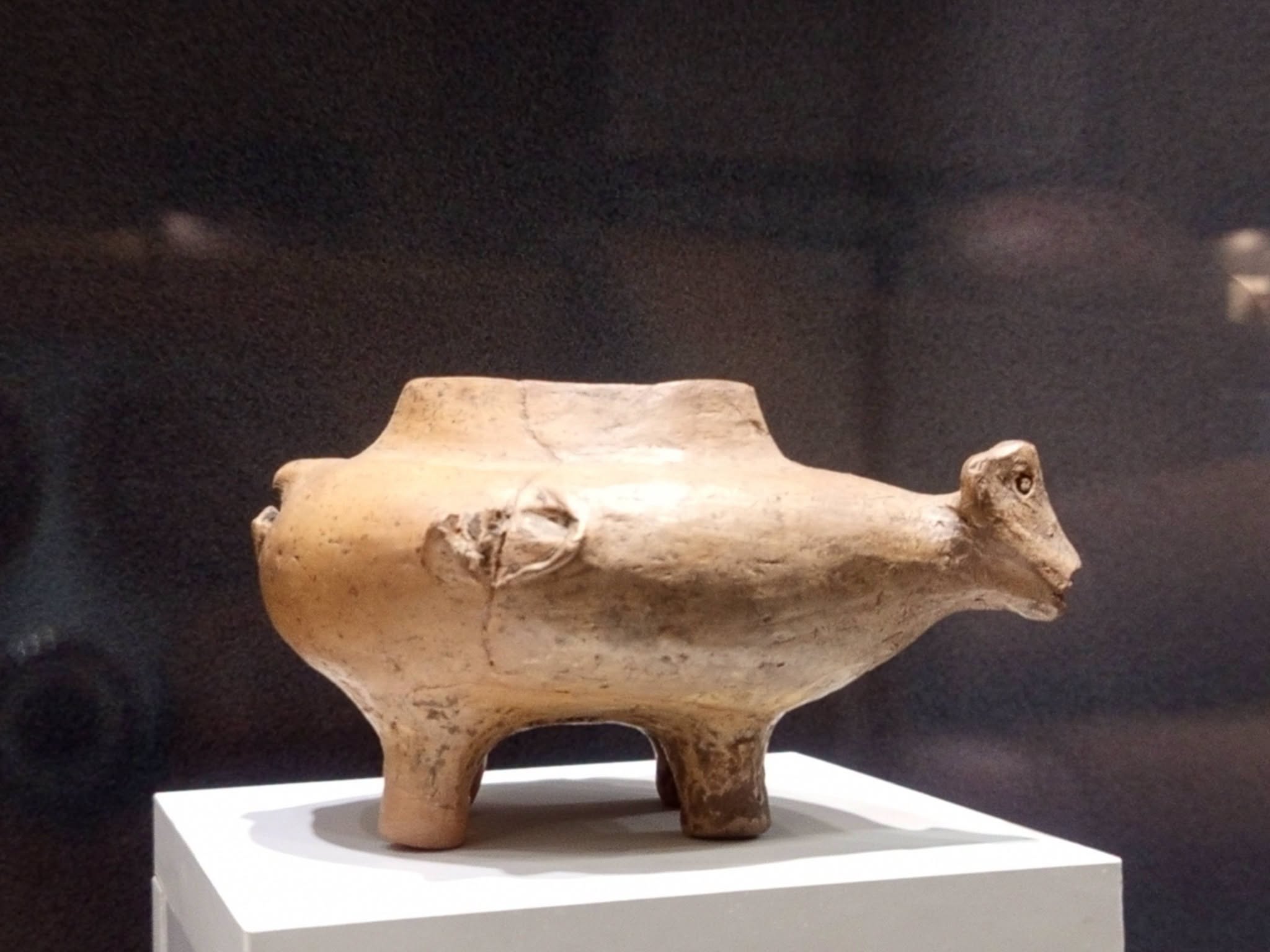
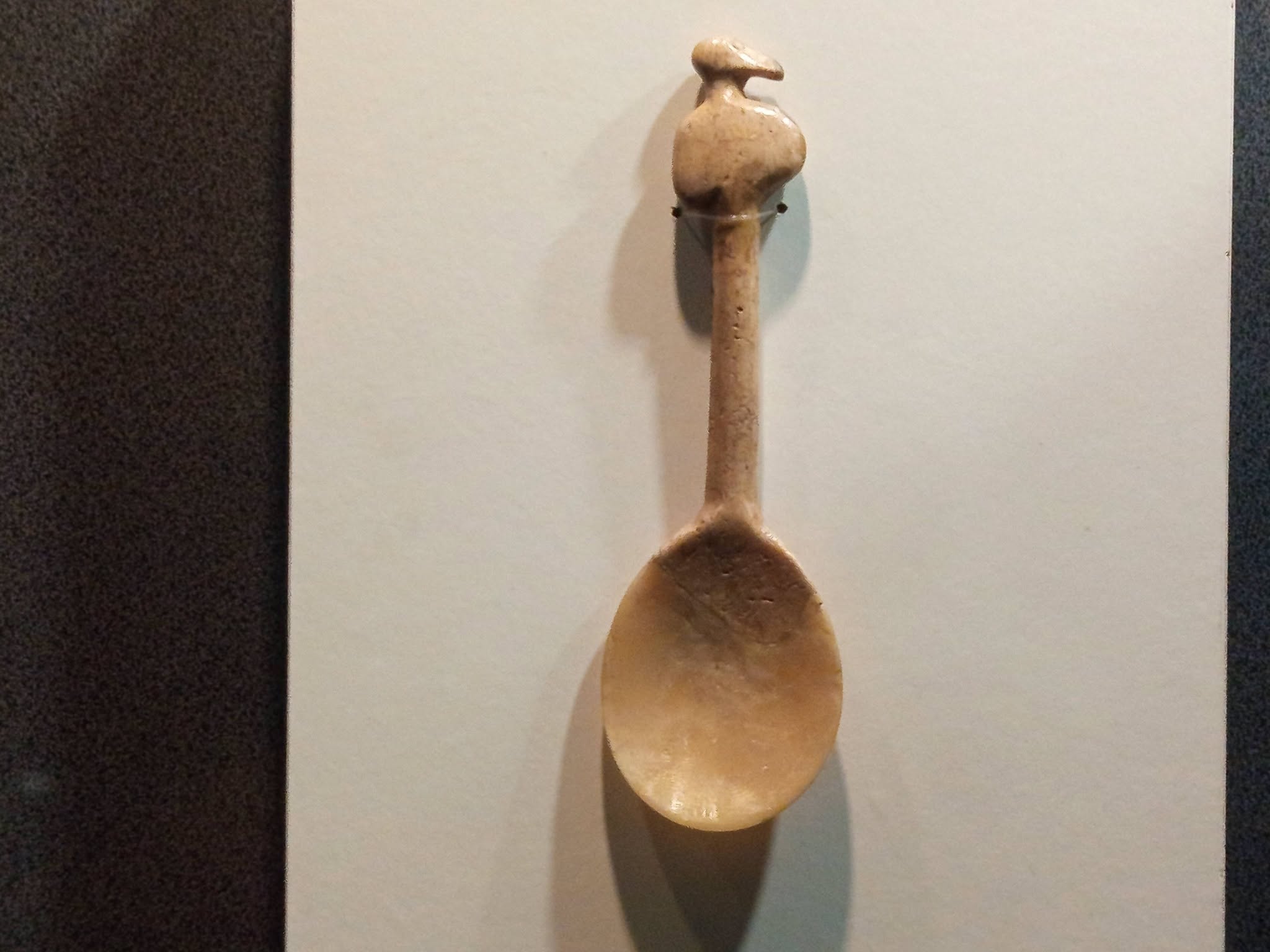
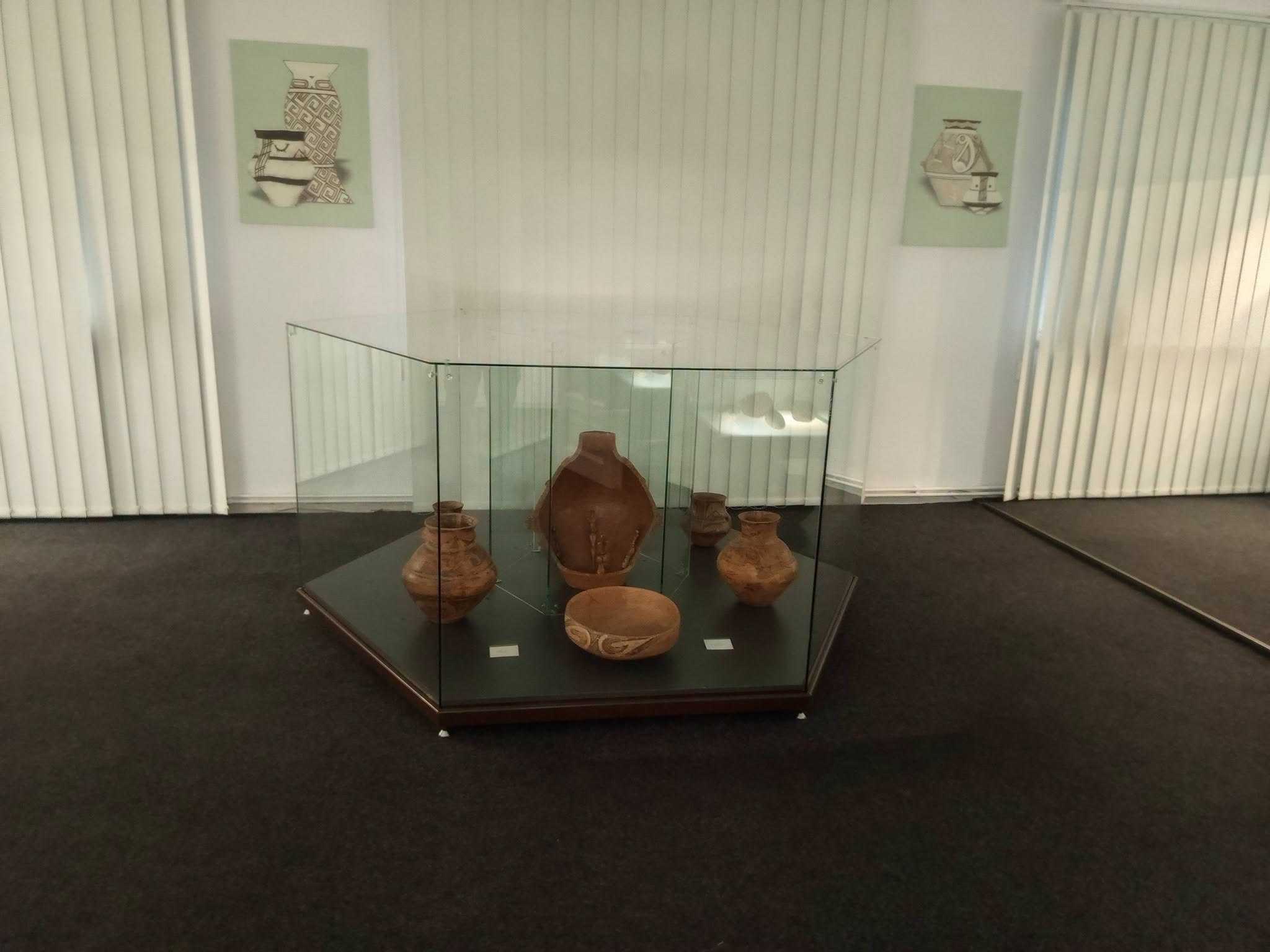
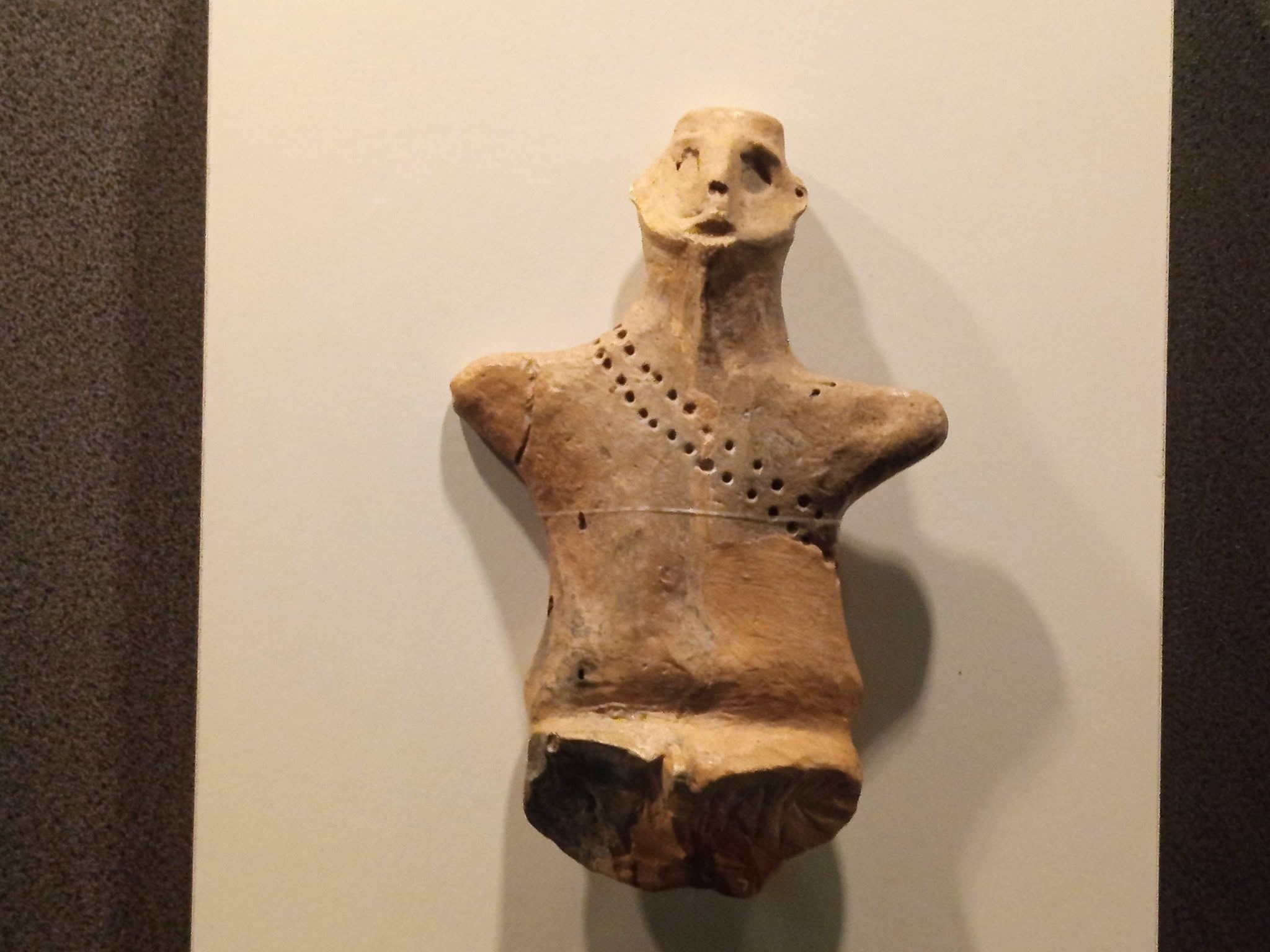
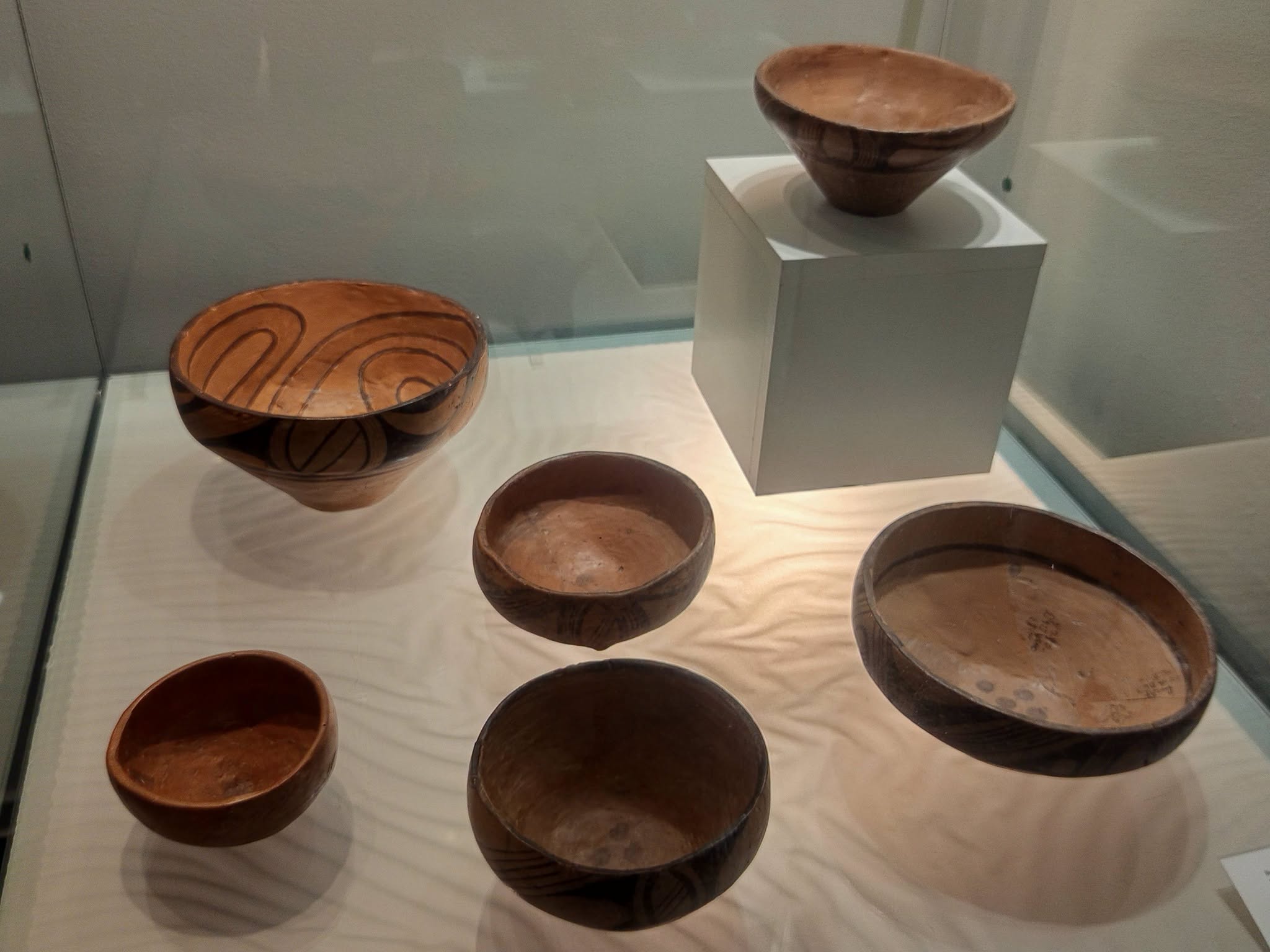
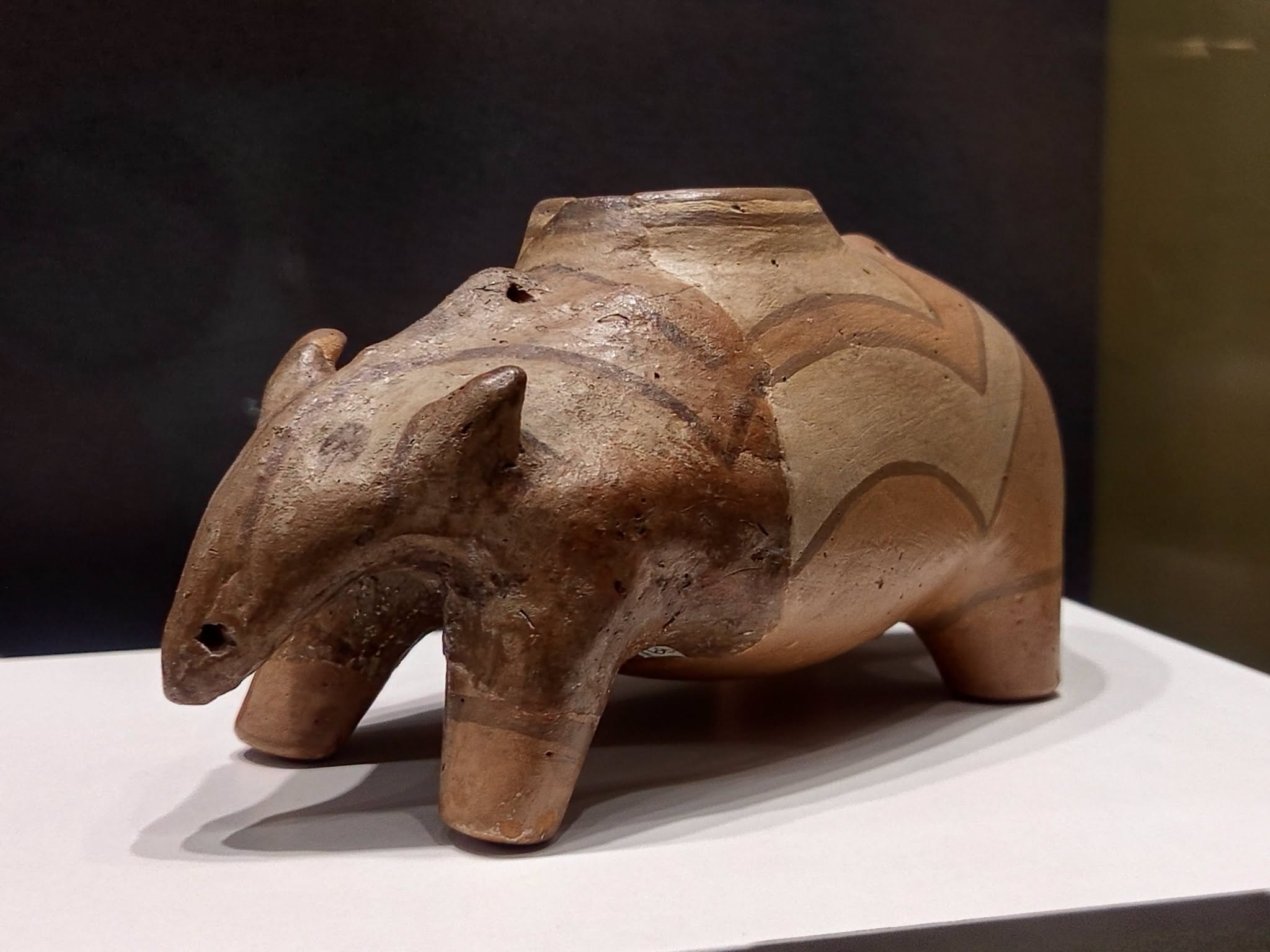
I invite you to a special museum: the Cucuteni Eneolithic Art Museum in Piatra-Neamț.
The Cucuteni-Trypillia civilization has been officially included on UNESCO’s Transnational Tentative List, a mandatory preliminary step in the process of being inscribed on the World Heritage List. This civilization, dating back approximately 7,000 years, is considered one of Europe’s most fascinating and enigmatic prehistoric cultures. It spanned an impressive area of over 200,000 square kilometers, from the eastern Carpathians to beyond the Dnieper River, uniting communities that shared common traditions, beliefs, and technologies—a rarity for that era.
The people of this civilization built settlements of impressive size, some covering over 100 hectares and comprising more than 1,000 dwellings. Due to their high degree of organization and planning, many researchers consider them true “proto-cities.”
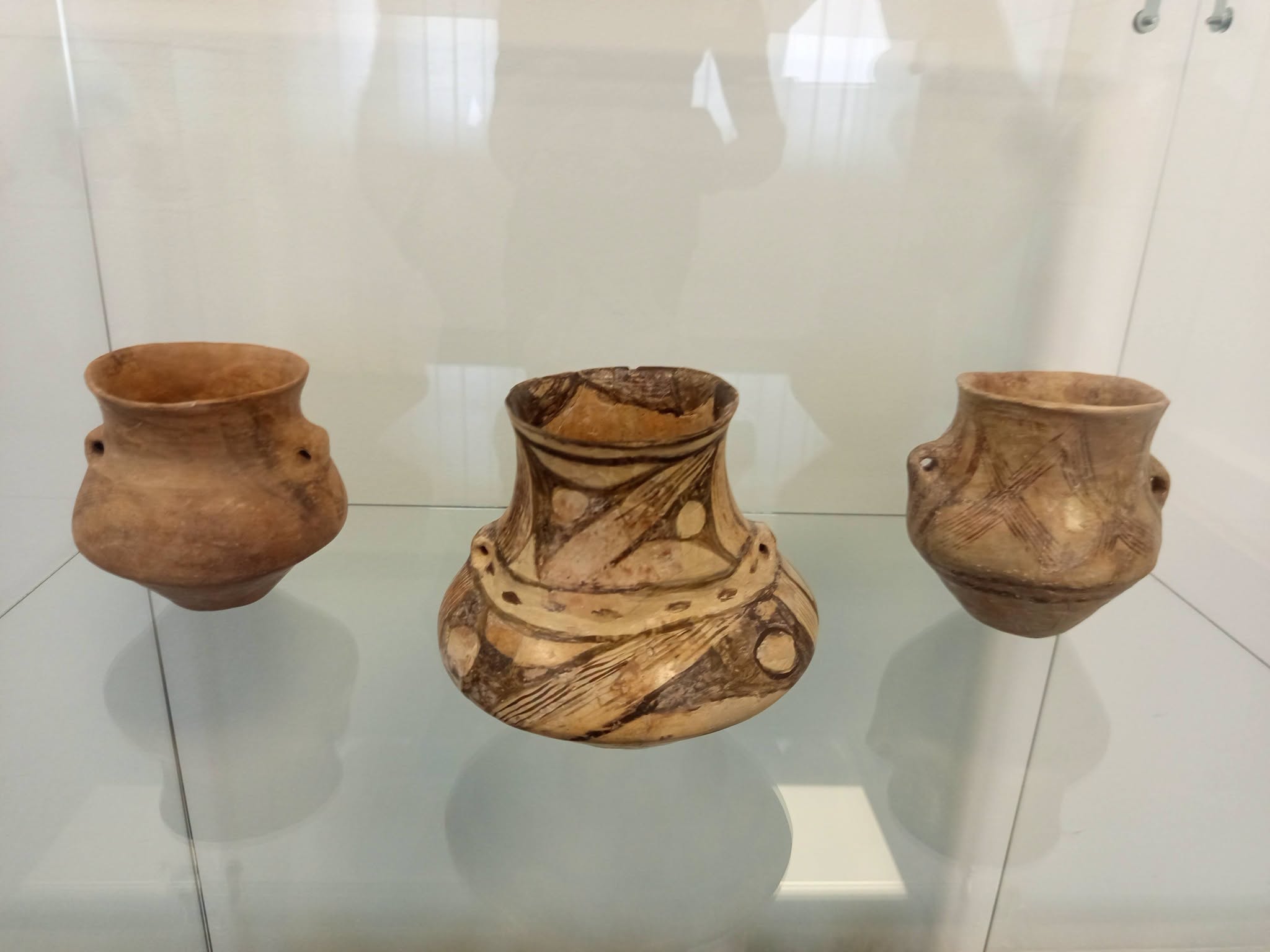
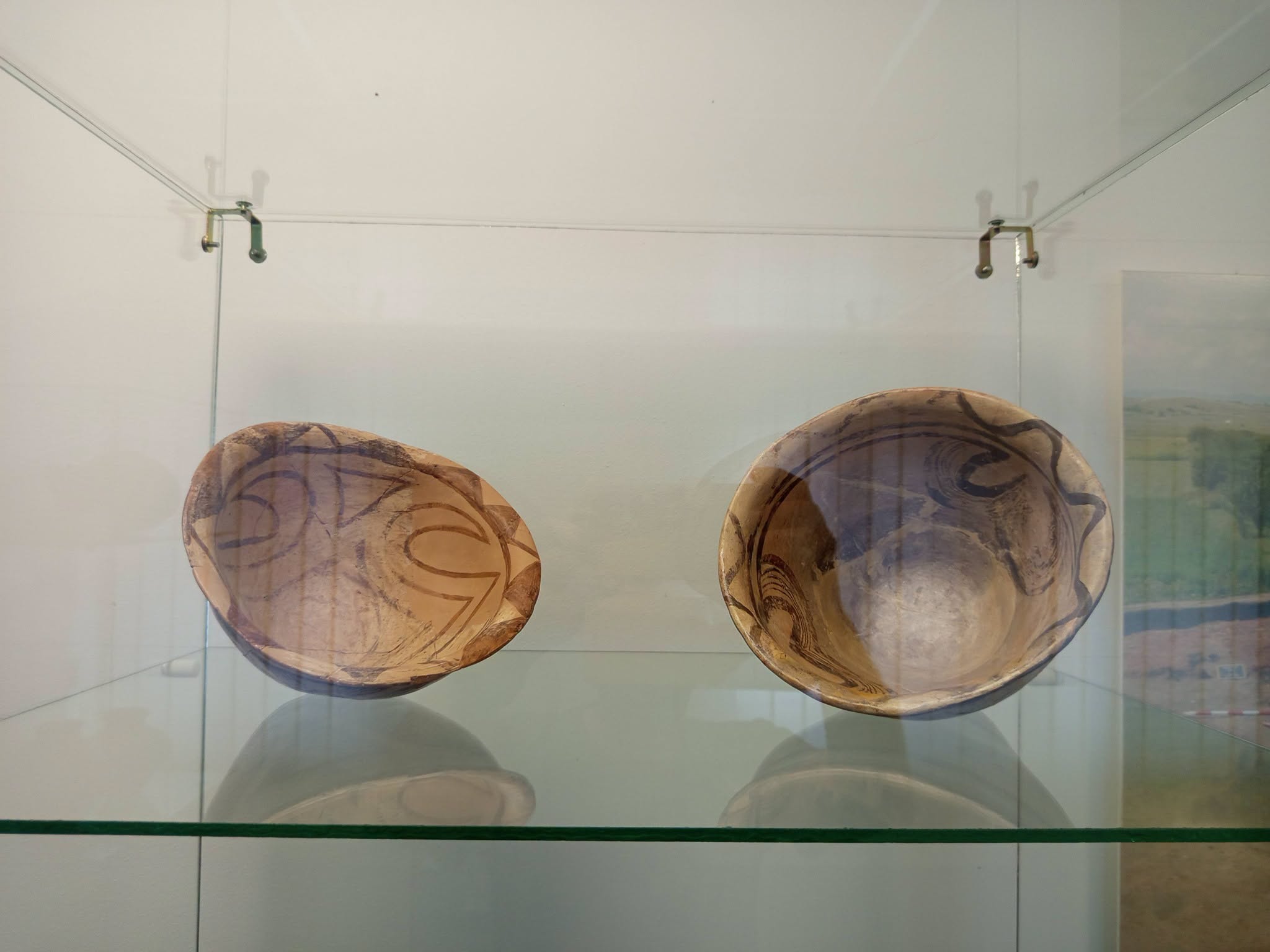
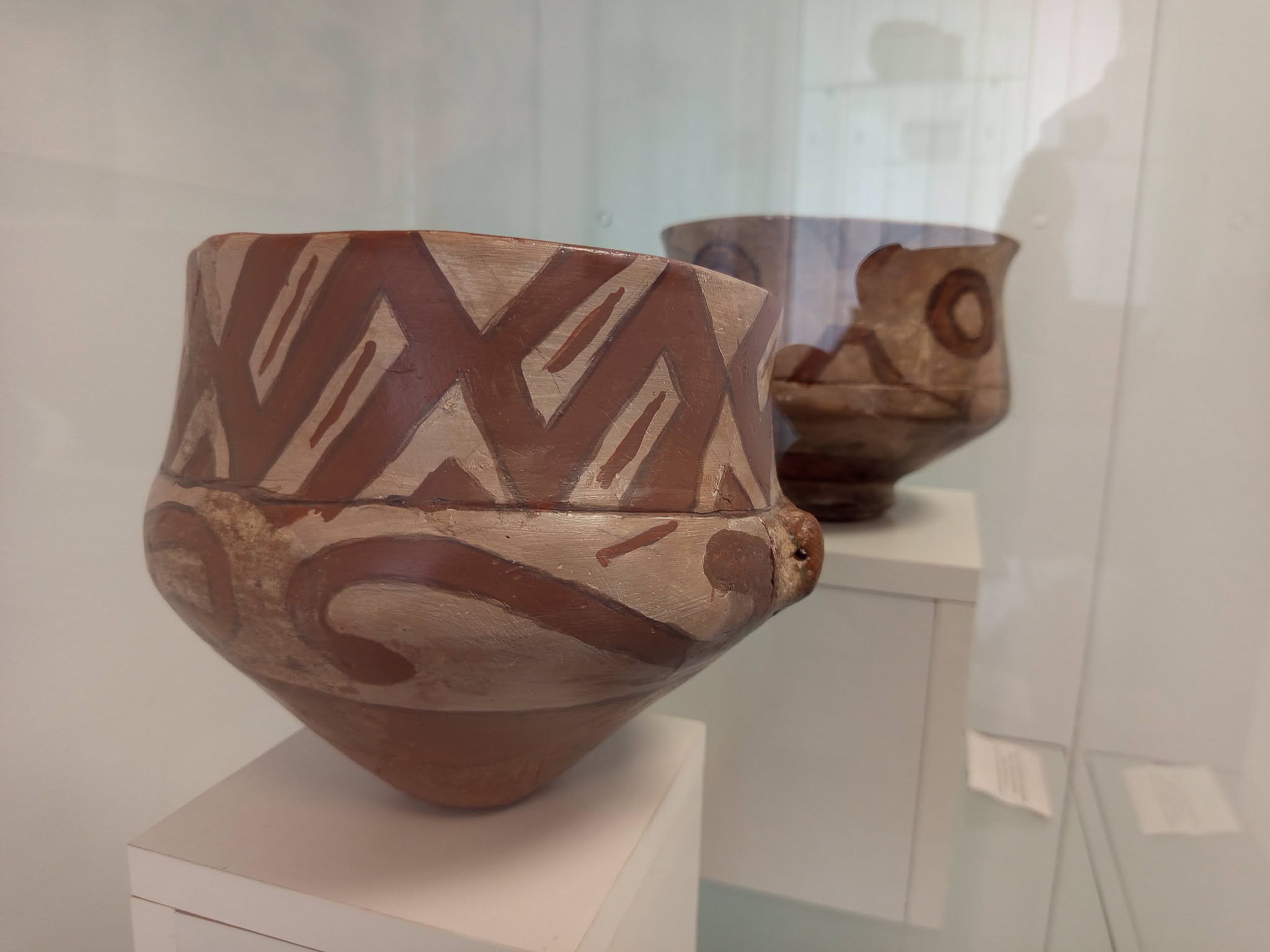
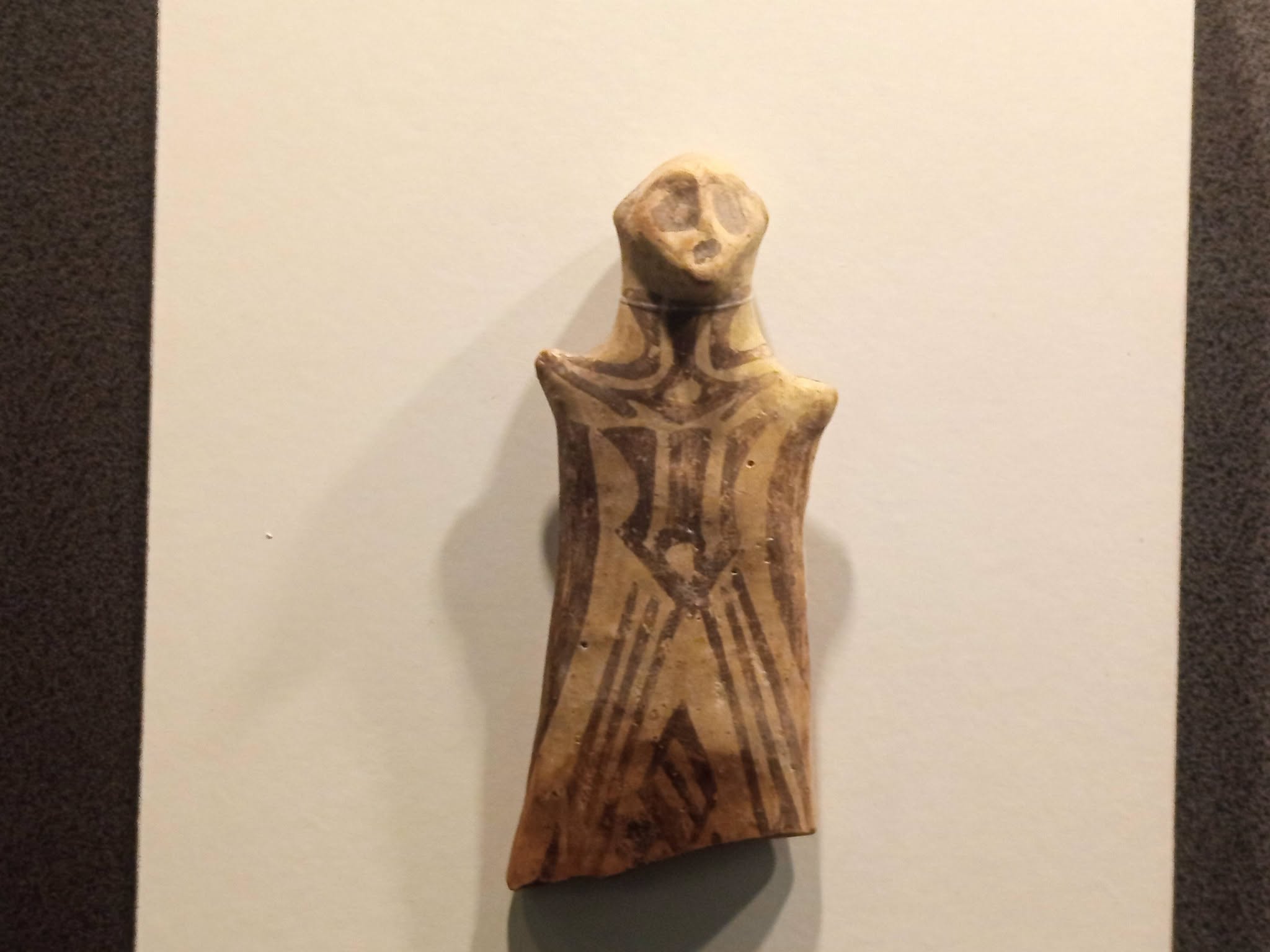
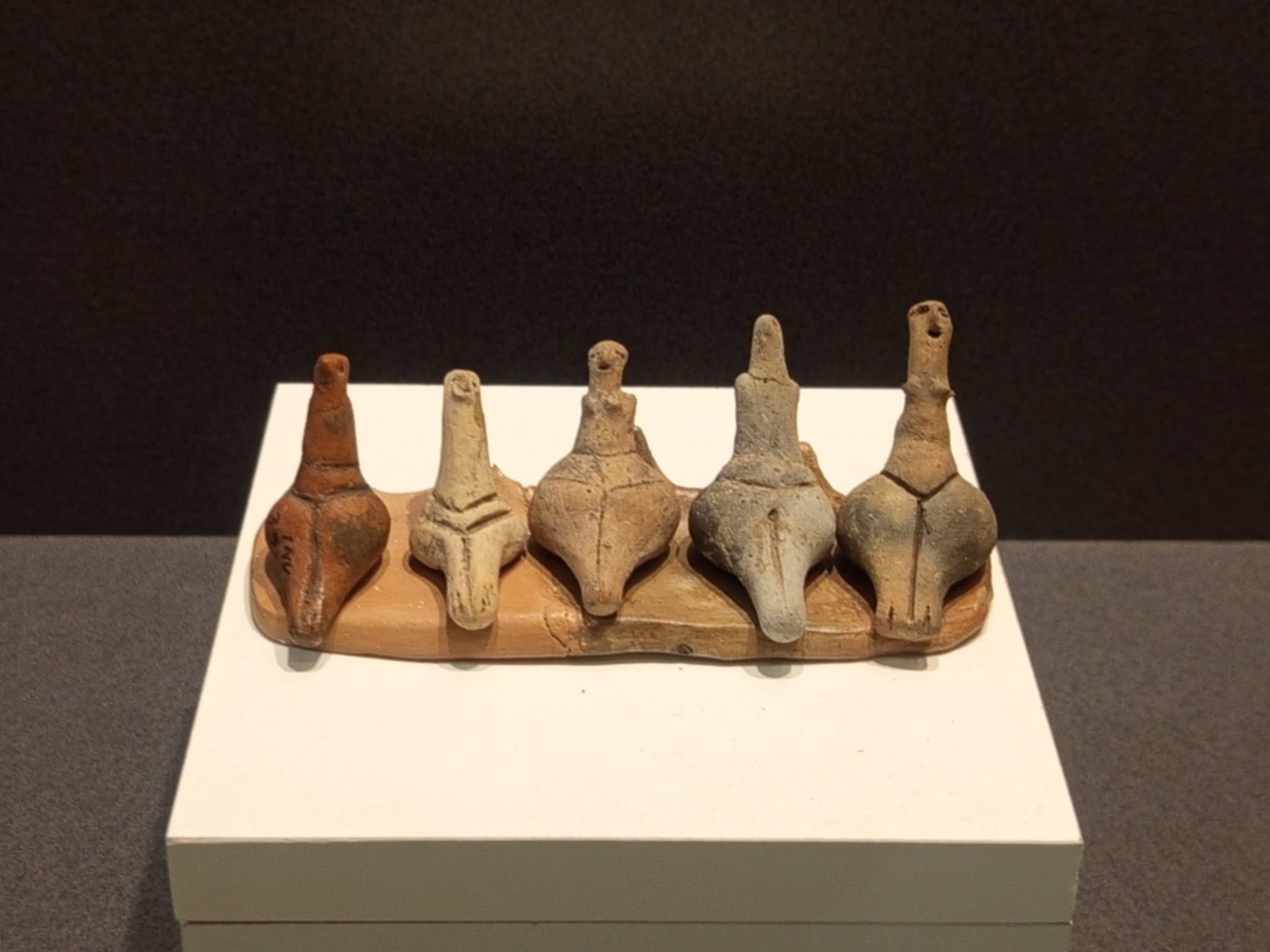
One of the most spectacular achievements of the Cucuteni-Trypillia culture was its painted pottery. The vessels, decorated with complex geometric motifs and crafted with remarkable artistic skill, have attracted the attention of specialists worldwide. However, the Cucuteni civilization continues to hold many mysteries: from the meaning of the symbols and the role of the anthropomorphic clay figurines to the almost complete absence of necropolises and the causes of this culture’s disappearance at the beginning of the Bronze Age.
If you would like to see these decorated ceramic vessels or clay figurines, I invite you to visit the Cucuteni Eneolithic Art Museum. The museum was inaugurated on June 24, 2005, on Piatra-Neamţ City Day, around the time of the 120th anniversary of the discovery of the eponymous Cucuteni culture site and the 70th anniversary of the founding of the Museum of History and Archaeology.

Gesta recommendations:

Pedophile priest arrested in Vaslui County
On Tuesday, the Orthodox Diocese of Huși suspended from service a priest from Vaslui County who was placed in pre-trial detention over the weekend on suspicion of sexual assault, rape of a minor and sexual acts with a minor. The priest of the parish of Parpanița, part of the town of Negrești, is now barred from performing any religious services. According to the police investigation, the priest…

Trump is the best campaign manager: Ukrainians trust their president more since he started attacking Zelensky
We're getting close to the point where, if a head of state or government wants to win the next election, they should pay Donald Trump to publicly badmouth them. According to a survey conducted by the Kyiv International Institute of Sociology (KIIS) between October 8 and 16, 54 percent of Ukrainians trust Volodymyr Zelensky, while 41 percent do not.

Reuters: Iran is deliberately dragging out negotiations until the midterm elections
Iran is deliberately prolonging negotiations with the United States in order to politically weaken Donald Trump ahead of the November 3 midterm elections, G4Media reported, citing Reuters, which in turn cited three senior Iranian officials and an additional Iranian source. “The clerical leadership is determined not to give Trump a political victory,” the news agency quoted one of the anonymous…

Famine could strike Afghanistan this winter
About 19.2 million Afghans, more than a third of the country's population, are threatened by an acute food supply crisis, the UN Office for the Coordination of Humanitarian Affairs (OCHA) warned on Tuesday. "During the winter period from November to April, the number of people facing acute food insecurity is expected to reach 19.2 million," said Olga Cherevko, OCHA's spokesperson for Afghanistan,…
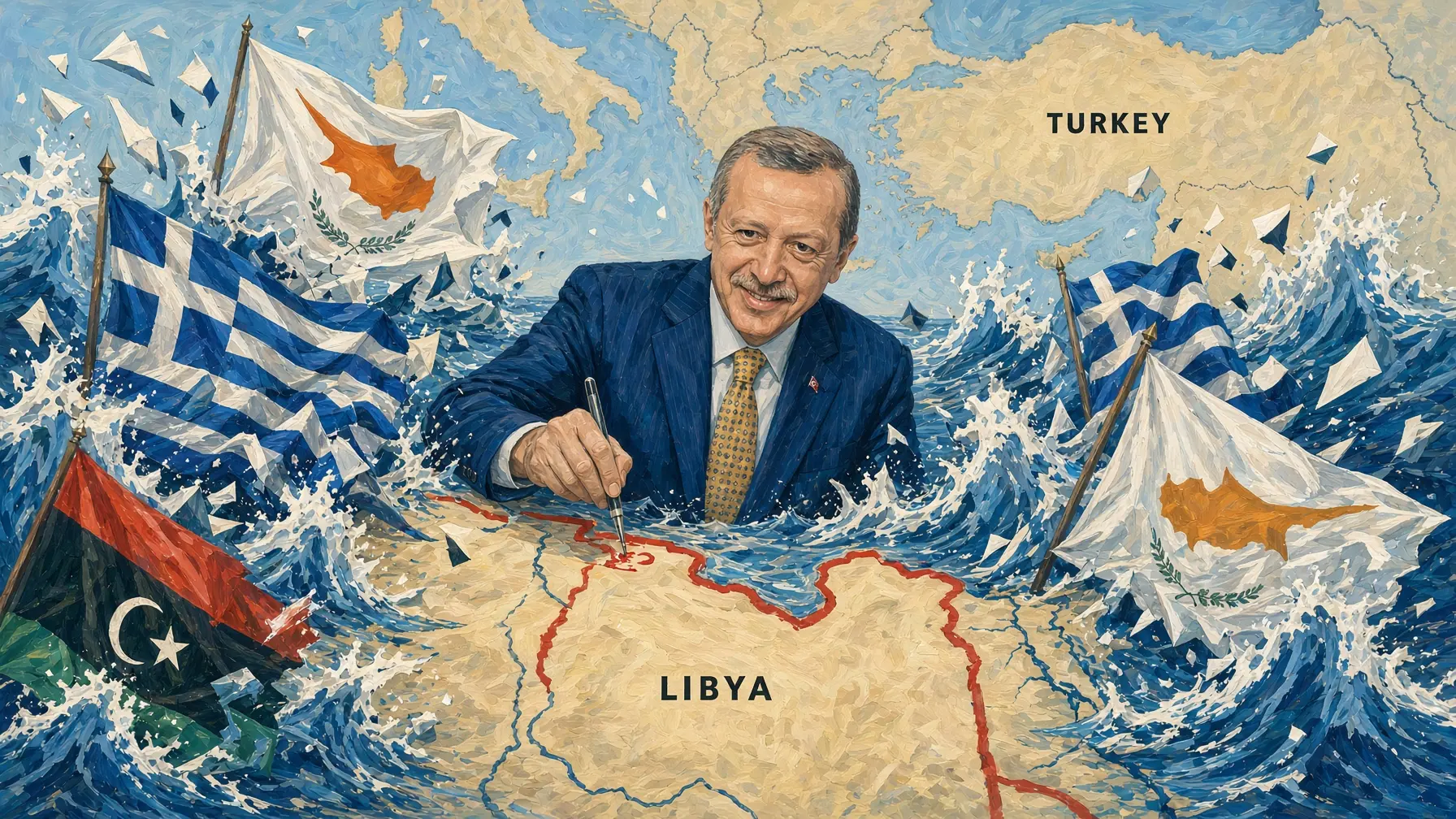
East Libya approves disputed Turkish maritime agreement, Athens and Nicosia outraged
On Tuesday, the parliament of eastern Libya approved the maritime boundary agreement that Turkey signed in 2019 with the Tripoli-based Government of National Accord, then internationally recognized. This retroactively grants the blessing of the eastern part of the country, controlled by General Khalifa Haftar, to a treaty that Greece, Cyprus and Egypt have considered unlawful from the outset.