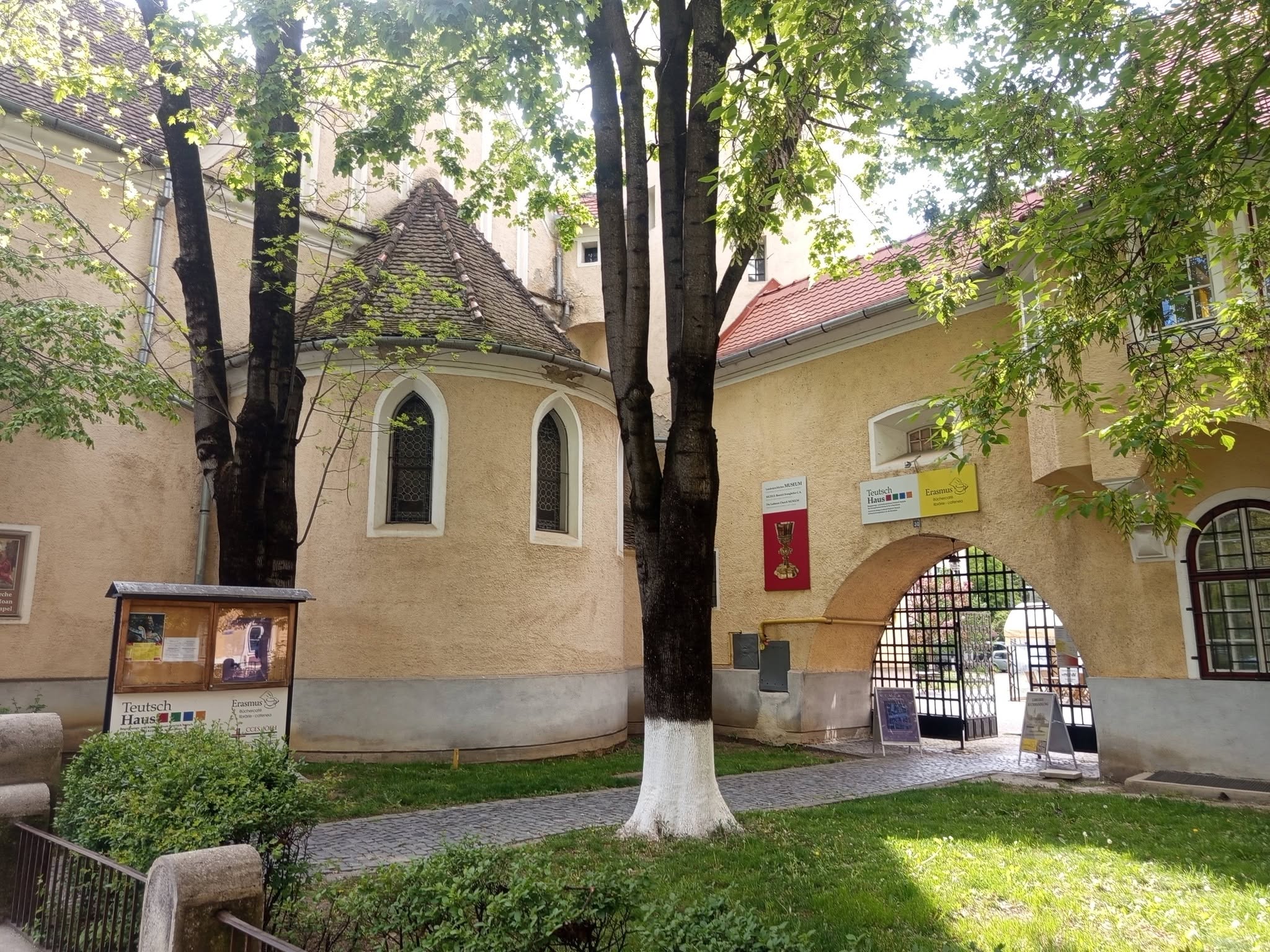
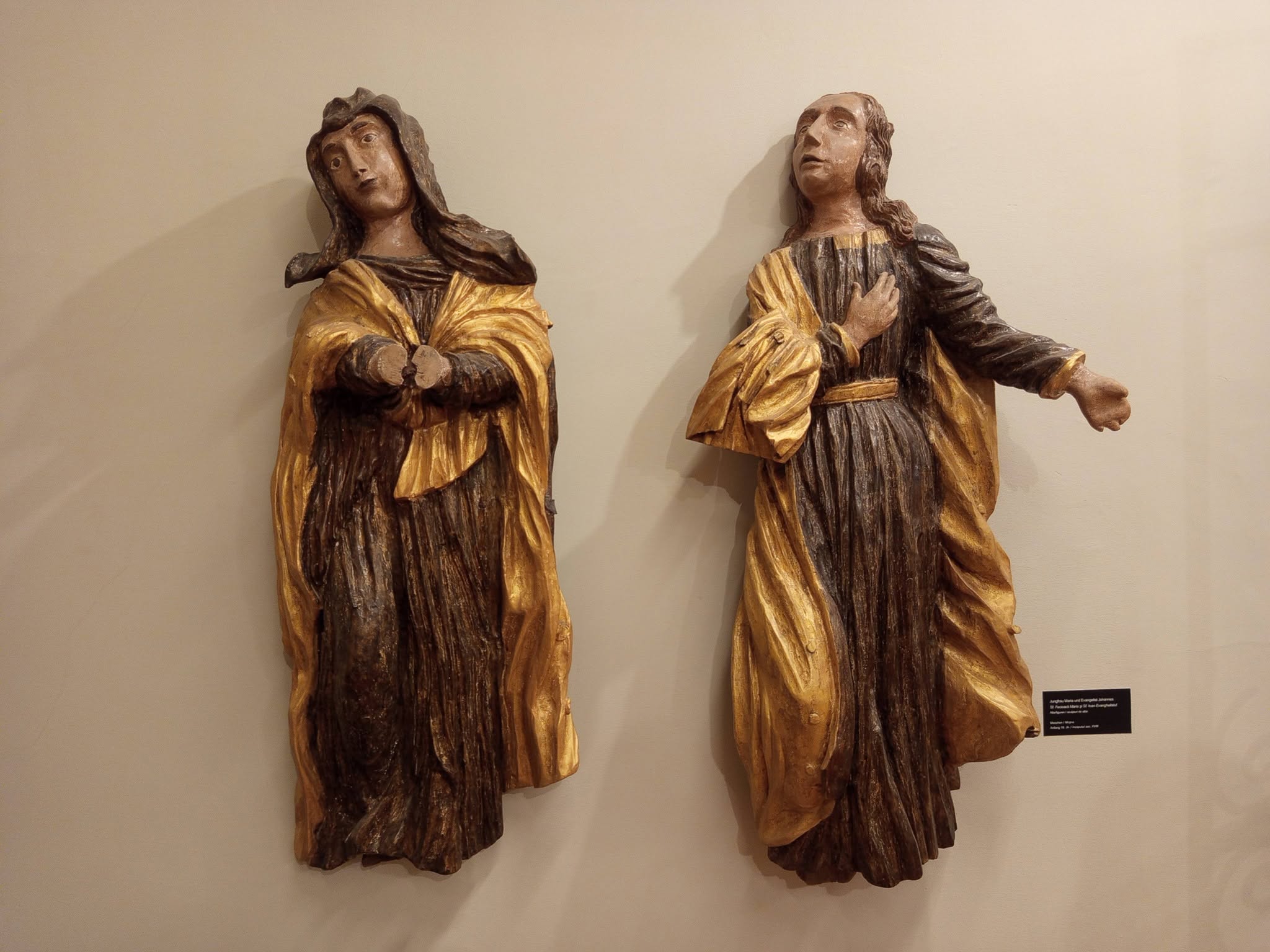
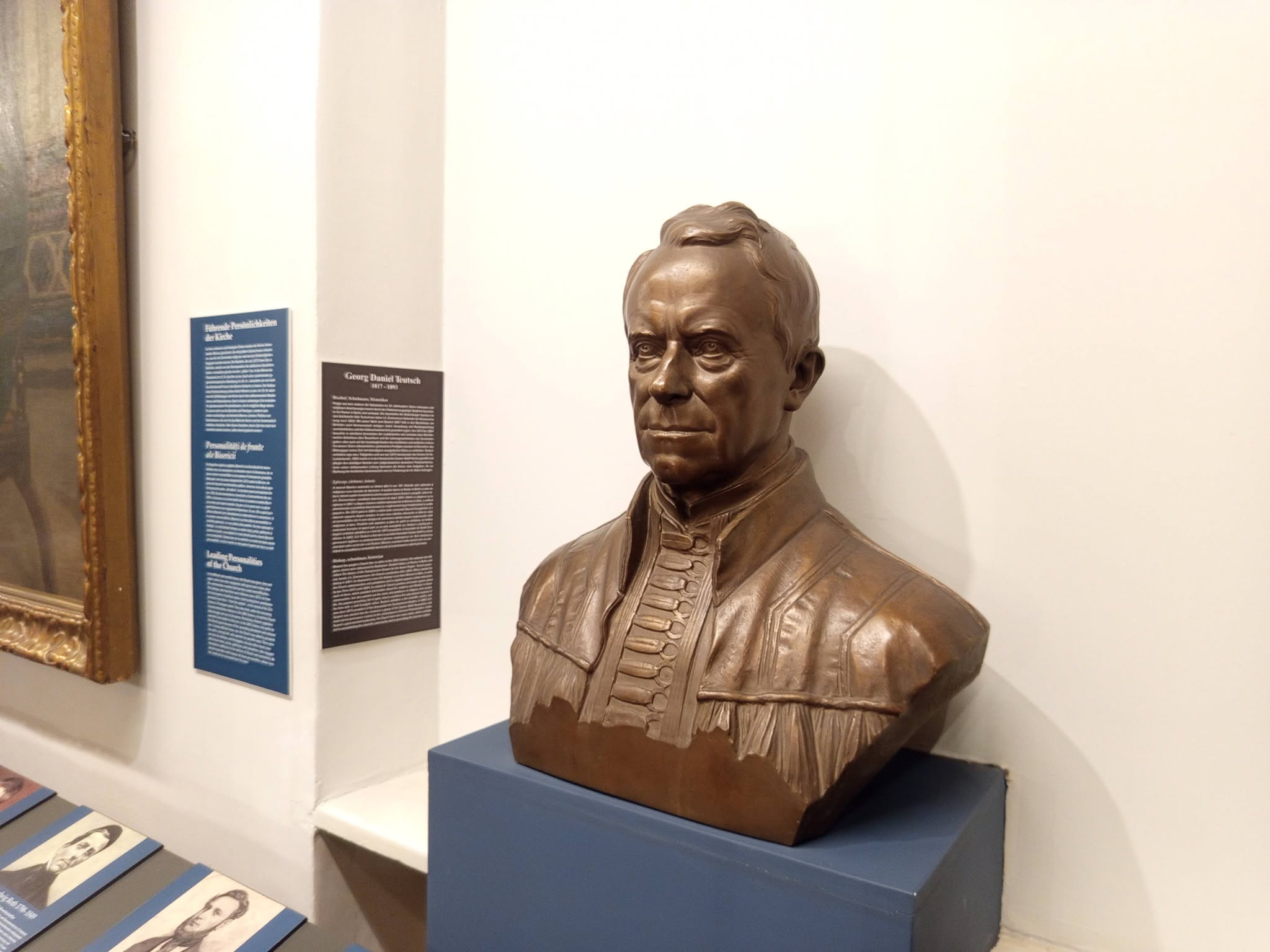
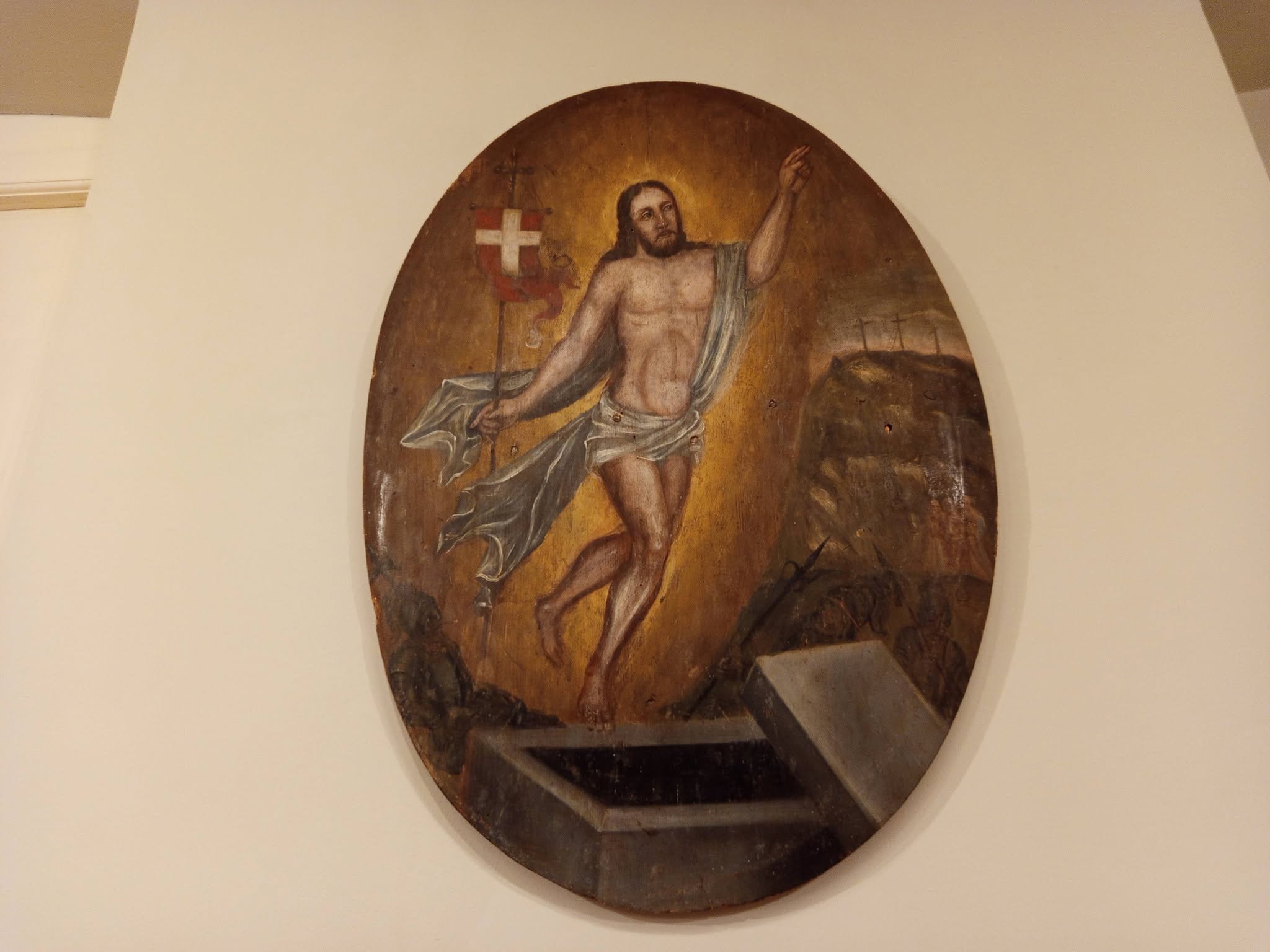
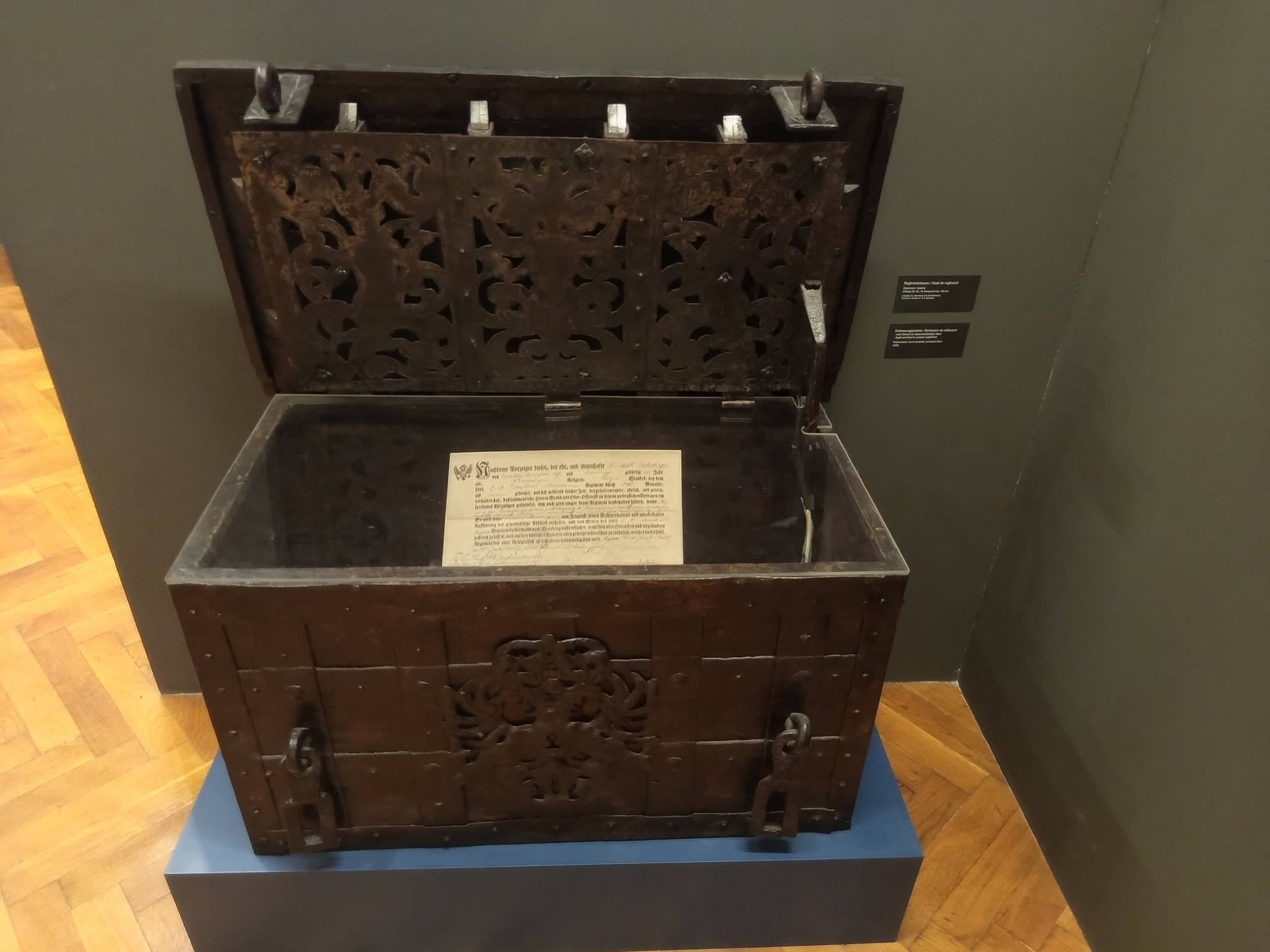
If you’re passing through Sibiu and want to learn more about the history of the Saxon community in Transylvania, you should definitely stop by the Museum of the Evangelical Church of the Augsburg Confession, located in the courtyard of St. John’s Church (“Johanniskirche”).
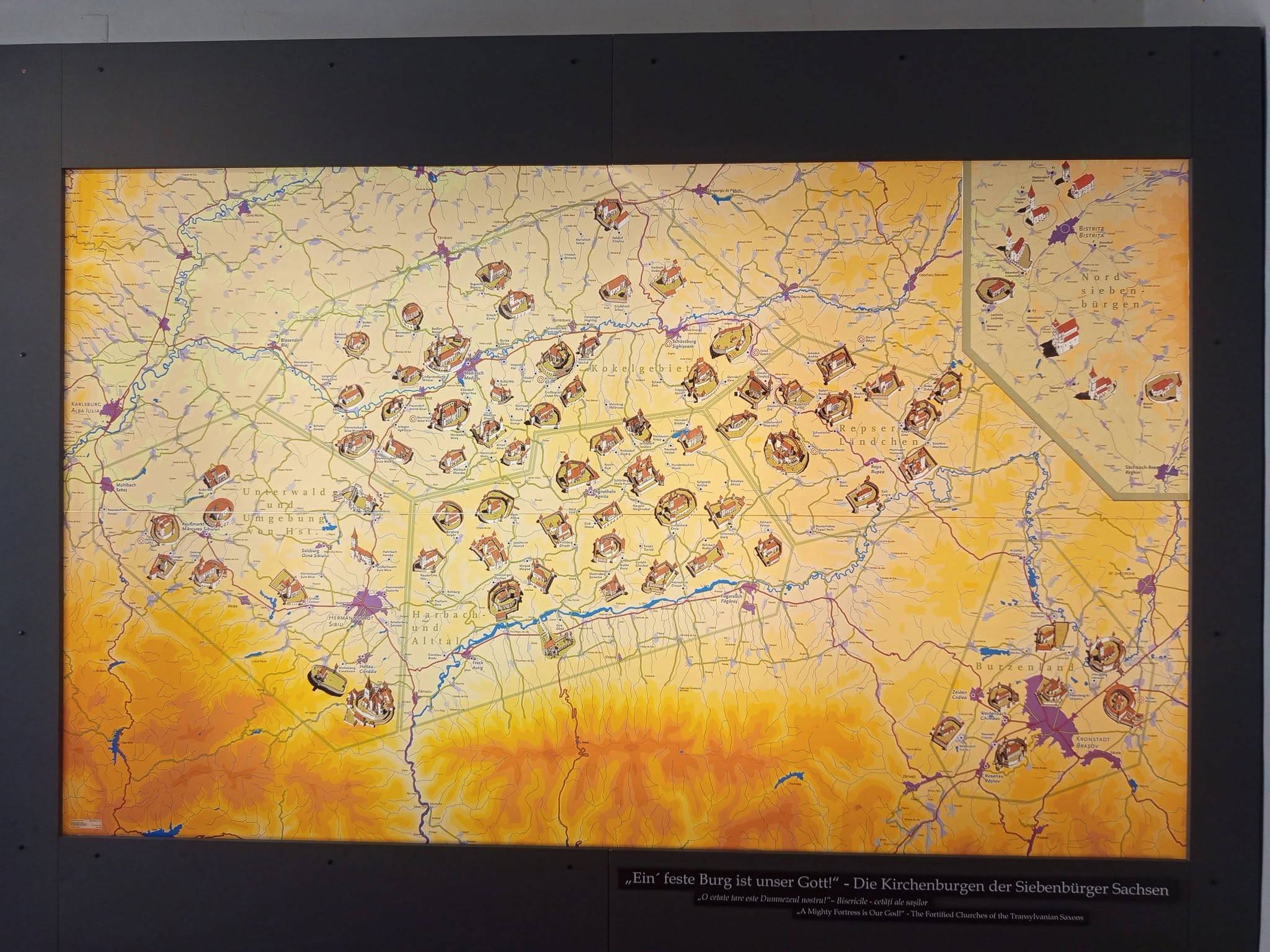
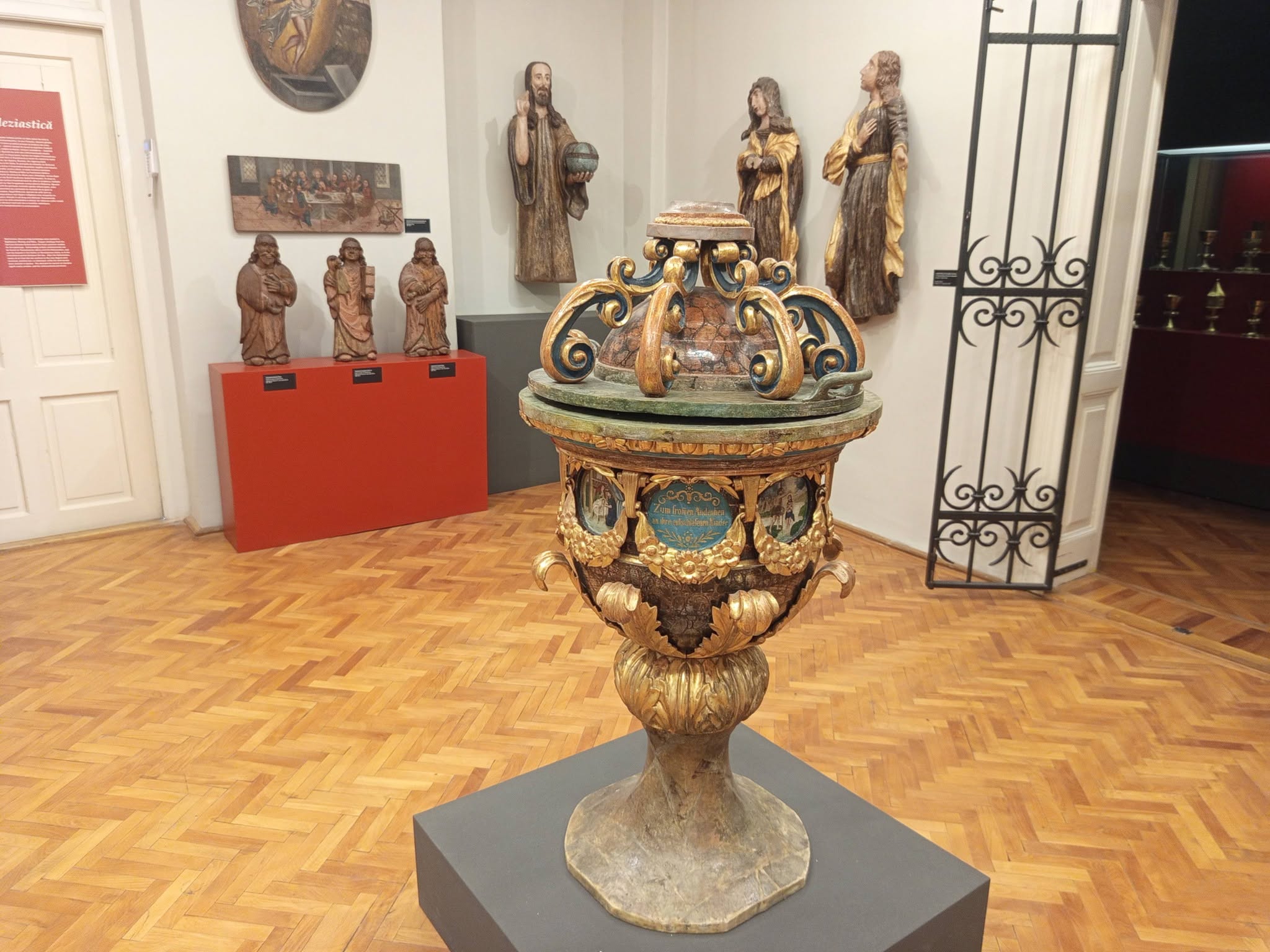
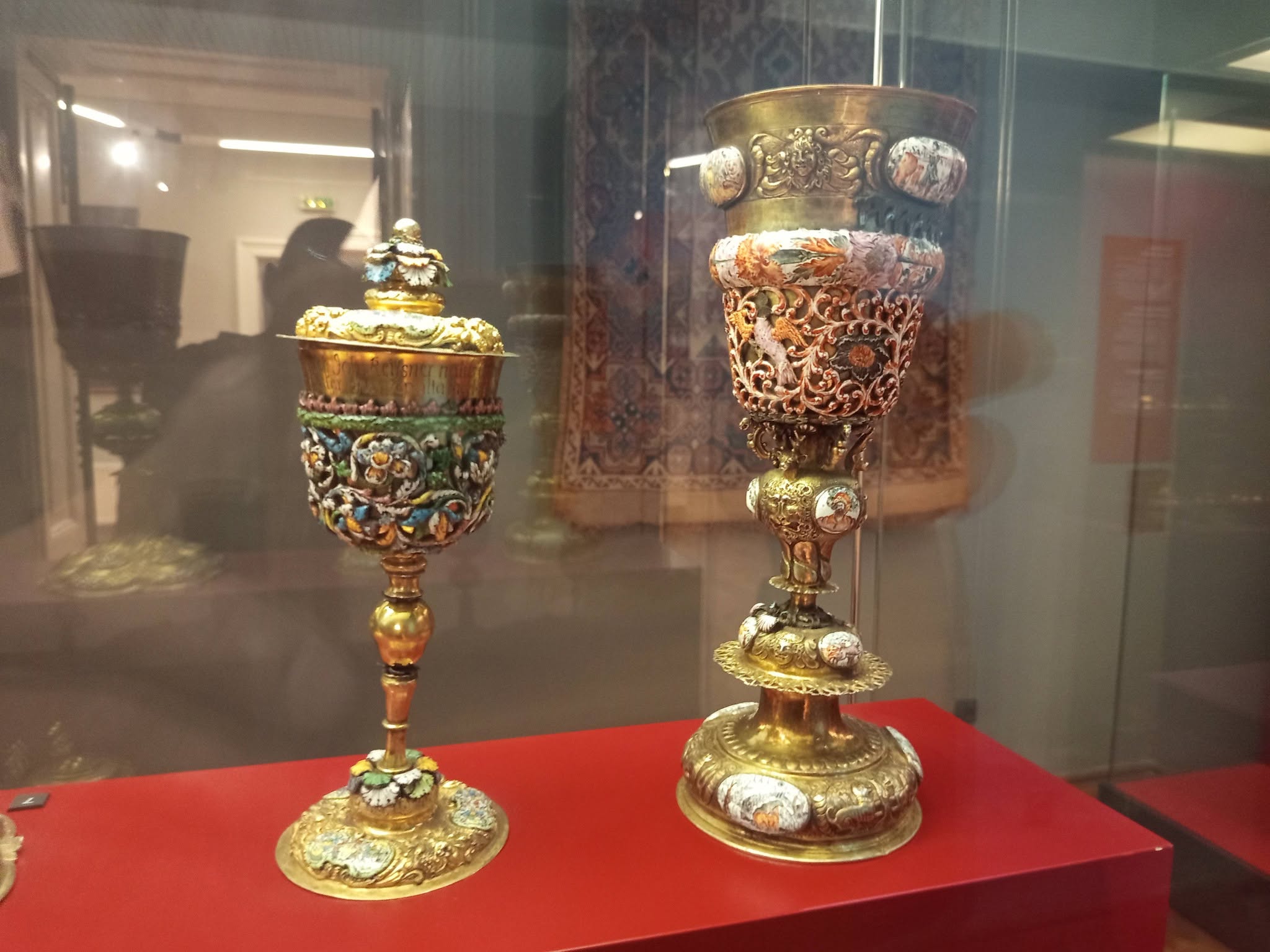
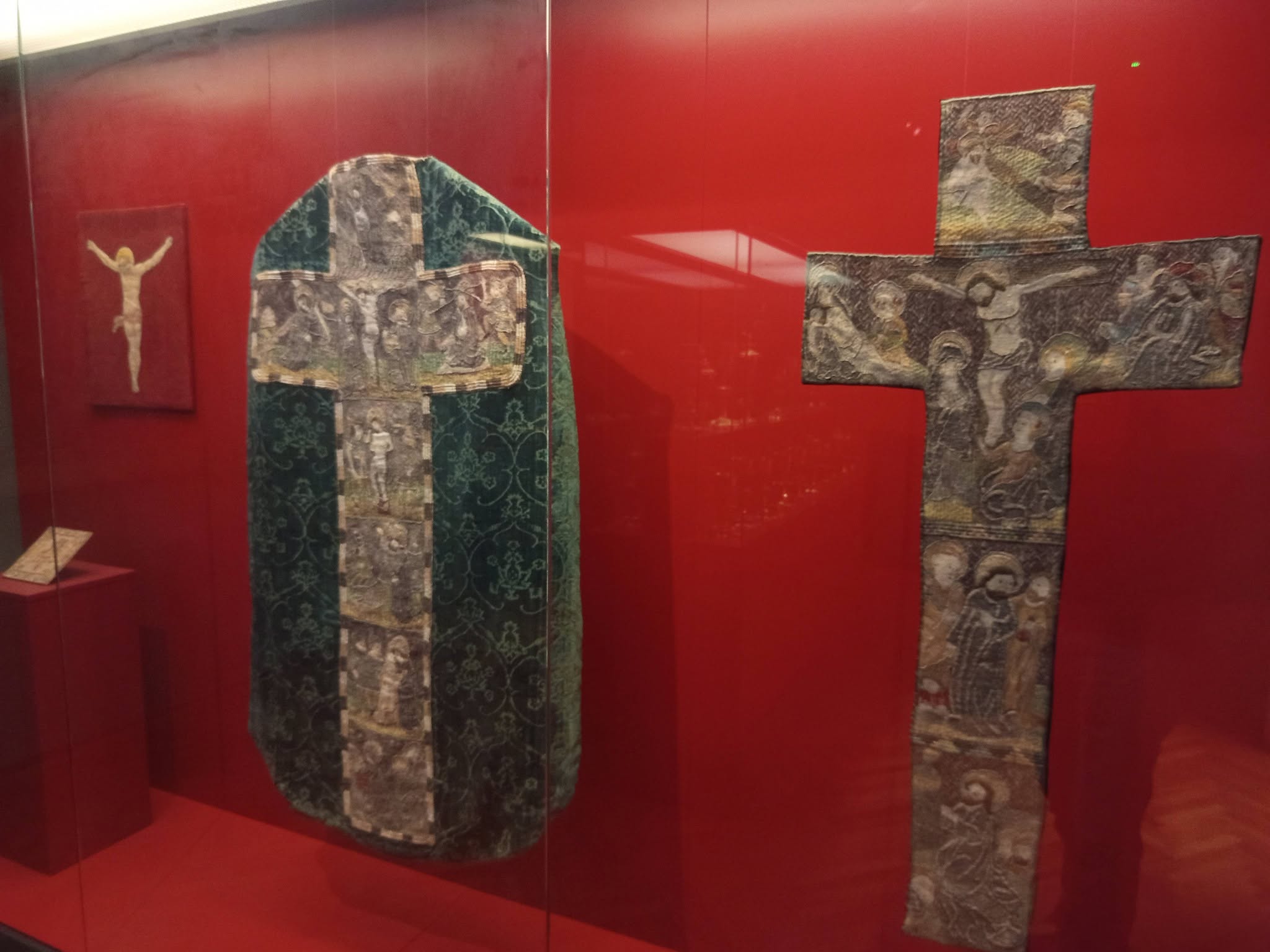
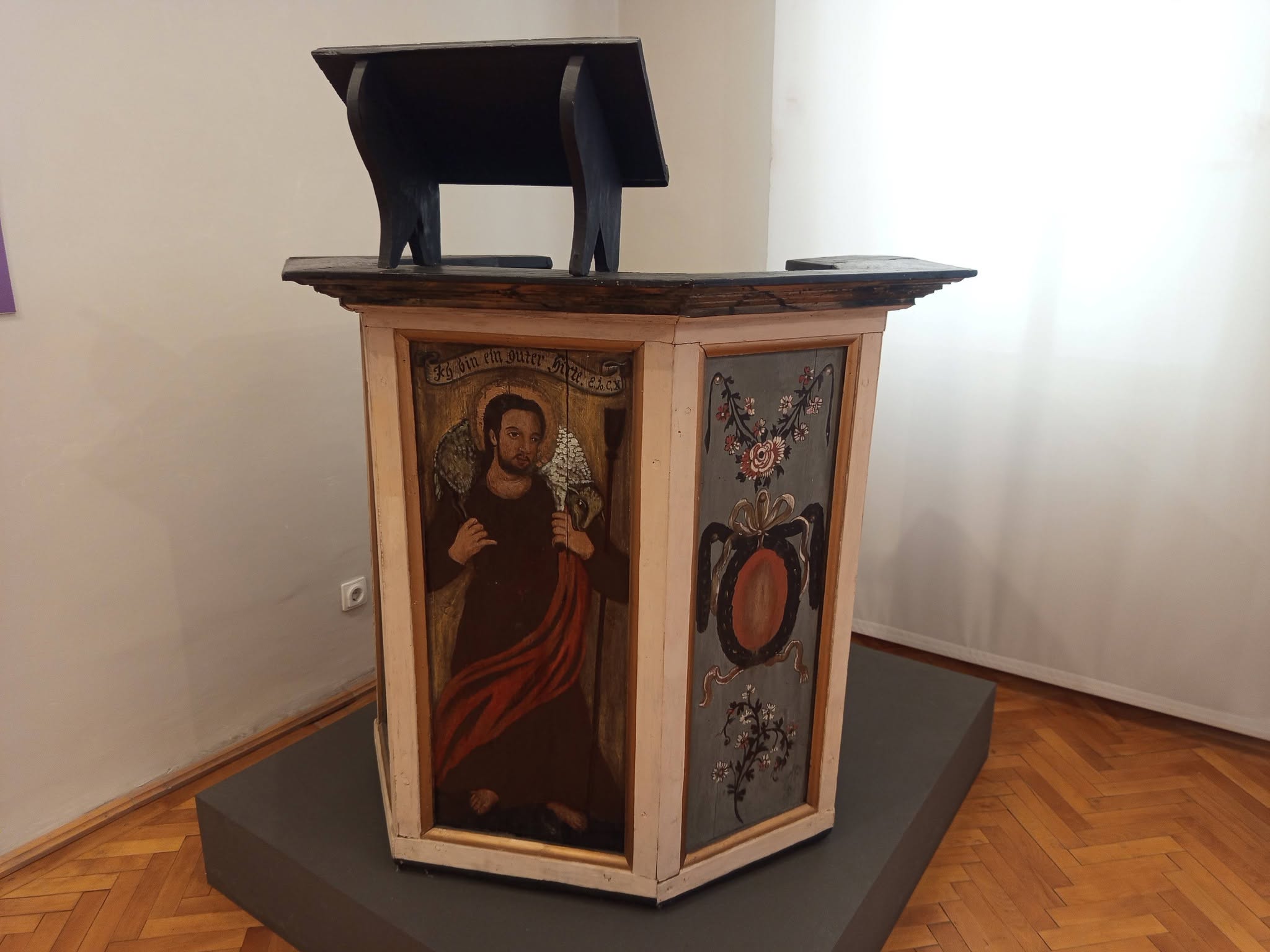
The museum opened its doors in 2007 as part of the Friedrich Teutsch Center for Dialogue and Culture (Teutsch House). The permanent exhibition offers an overview of the history of the Evangelical Church of the Augsburg Confession in Romania and the history of the Transylvanian Saxon community. Over approximately 500 square meters, visitors can take a chronological tour of the history of the German minority in Transylvania and the more than 800-year history of their church, which later became the Evangelical Church of the Augsburg Confession in Romania. In addition to the permanent exhibition, the museum regularly hosts temporary exhibitions from its own and external collections, covering topics such as art, architecture, history, social policy, and current events.






Gesta recommendations:
Pedophile priest arrested in Vaslui County
On Tuesday, the Orthodox Diocese of Huși suspended from service a priest from Vaslui County who was placed in pre-trial detention over the weekend on suspicion of sexual assault, rape of a minor and sexual acts with a minor. The priest of the parish of Parpanița, part of the town of Negrești, is now barred from performing any religious services. According to the police investigation, the priest…
Trump is the best campaign manager: Ukrainians trust their president more since he started attacking Zelensky
We're getting close to the point where, if a head of state or government wants to win the next election, they should pay Donald Trump to publicly badmouth them. According to a survey conducted by the Kyiv International Institute of Sociology (KIIS) between October 8 and 16, 54 percent of Ukrainians trust Volodymyr Zelensky, while 41 percent do not.

Reuters: Iran is deliberately dragging out negotiations until the midterm elections
Iran is deliberately prolonging negotiations with the United States in order to politically weaken Donald Trump ahead of the November 3 midterm elections, G4Media reported, citing Reuters, which in turn cited three senior Iranian officials and an additional Iranian source. “The clerical leadership is determined not to give Trump a political victory,” the news agency quoted one of the anonymous…

Famine could strike Afghanistan this winter
About 19.2 million Afghans, more than a third of the country's population, are threatened by an acute food supply crisis, the UN Office for the Coordination of Humanitarian Affairs (OCHA) warned on Tuesday. "During the winter period from November to April, the number of people facing acute food insecurity is expected to reach 19.2 million," said Olga Cherevko, OCHA's spokesperson for Afghanistan,…
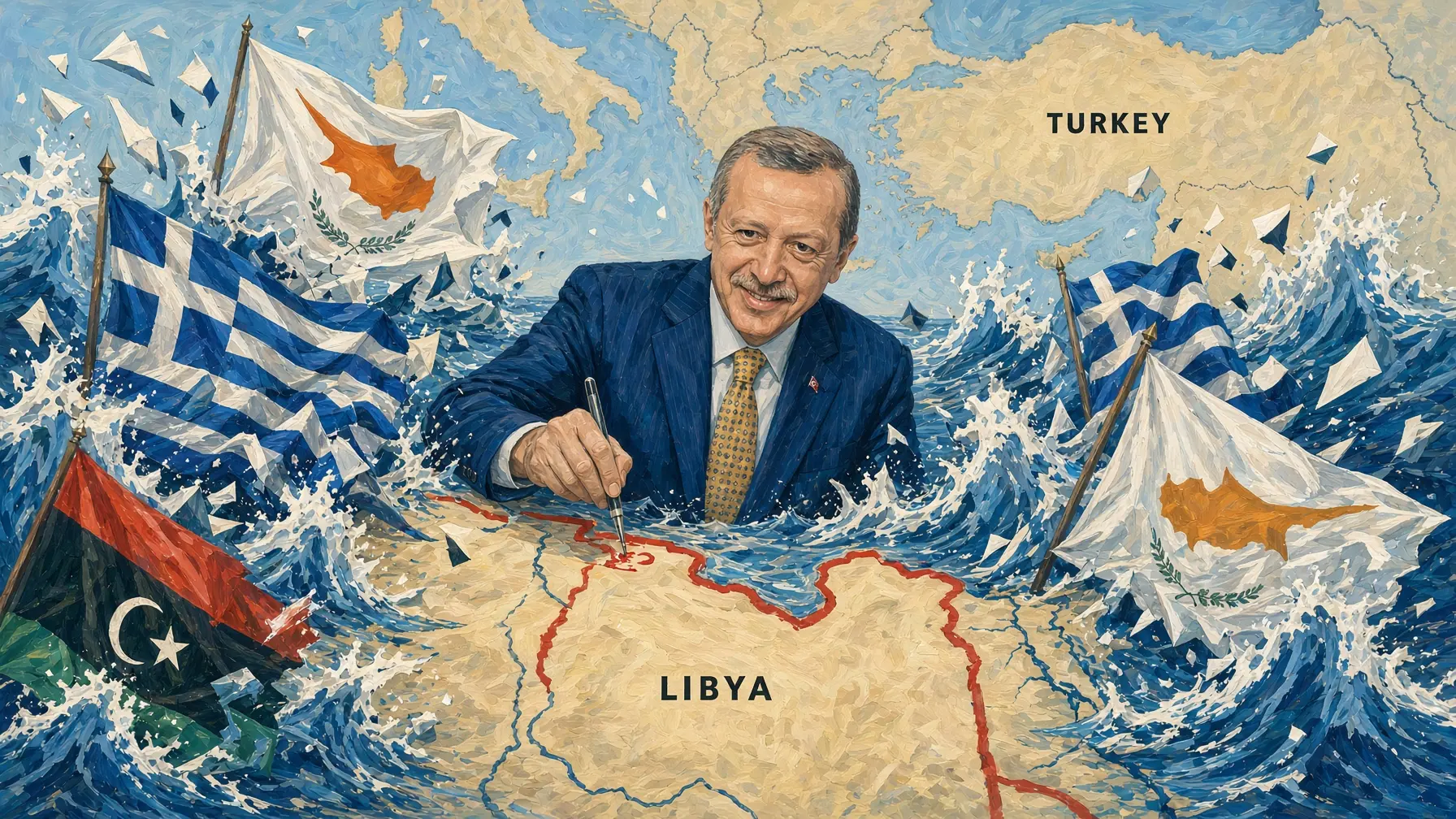
East Libya approves disputed Turkish maritime agreement, Athens and Nicosia outraged
On Tuesday, the parliament of eastern Libya approved the maritime boundary agreement that Turkey signed in 2019 with the Tripoli-based Government of National Accord, then internationally recognized. This retroactively grants the blessing of the eastern part of the country, controlled by General Khalifa Haftar, to a treaty that Greece, Cyprus and Egypt have considered unlawful from the outset.